















TLDR
Swap Discovery and StoreSEO are not interchangeable, because they sit in different categories.
- Swap Discovery is an AI-visibility-first platform. It monitors how ChatGPT, Gemini, Perplexity, and Claude answer real buying prompts about your category, then drafts fixes (product JSON-LD, llms.txt, and catalog content rewrites) and ships them inside your Shopify store once you approve.
- StoreSEO is a traditional on-page SEO app: meta titles and descriptions, alt text, sitemap and indexing hygiene, basic schema, and AI-assisted content generation for product pages and blogs.
- The core difference: StoreSEO helps you rank in Google; Swap Discovery helps you get named and cited in AI-generated answers. Those are related but separate battles in 2026.
- Many stores run both. The overlap is small enough that they complement rather than conflict.
- If AI search optimization is your priority, Swap Discovery is built for it. If you have no SEO foundation yet, start there first, because StoreSEO or a comparable app is typically the lower-cost starting point.
If you're choosing a Shopify app for AI search optimization, the decision between Swap Discovery (formerly Vizby) and StoreSEO comes down to what you mean by "optimization." Swap Discovery is the stronger pick if the goal is getting your store recommended by AI engines like ChatGPT, Gemini, Perplexity, and Claude: as of November 2026, we are not aware of another Shopify-native app that both tracks your AI visibility and ships approved fixes for the issues holding it back, including structured data, llms.txt, and catalog content. StoreSEO is the stronger pick if your priority is classic on-page SEO (meta tags, image alt text, sitemaps, and search-console hygiene) with AI-assisted content tools layered on top. They solve different problems, and this guide walks through exactly where each one earns its keep.
A note on fairness: we build Swap Discovery, so read the Swap Discovery sections knowing that. We've tried to be as clear about its limitations as we are about StoreSEO's.
What does "AI search optimization" actually mean for a Shopify store?
AI search optimization, also called GEO (Generative Engine Optimization) or AEO (Answer Engine Optimization), is the work of making your store the answer when a shopper asks an AI engine a buying question. When someone types "best running socks for marathon training" into ChatGPT, the engine doesn't return ten blue links. It names two to four brands, often with a short justification and a citation. Either you're in that answer or you're missing from it.
That changes what "optimization" requires. Traditional SEO signals (title tags, backlinks, page speed) still matter as inputs, because AI engines often draw on search indexes and crawled content. But AI answers can also draw on machine-readable product data (JSON-LD, a well-documented practice), explicit answers to buying questions (FAQ content written the way people prompt), llms.txt files (an emerging convention whose support varies by engine), and consistent catalog content that an engine can quote confidently. An app built for Google-era SEO touches some of these; it wasn't designed to measure or manage any of them against actual AI answers.
What does Swap Discovery do?
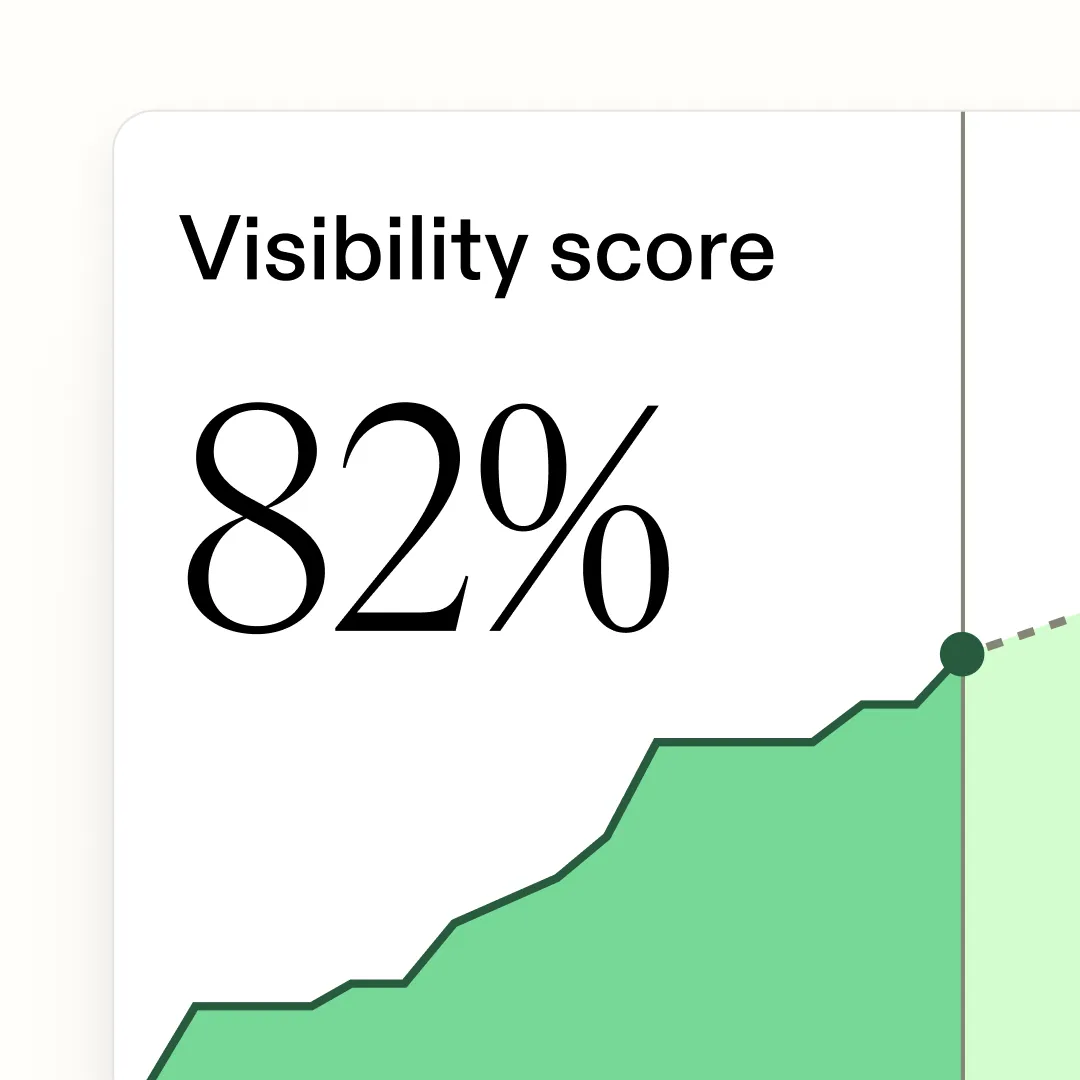
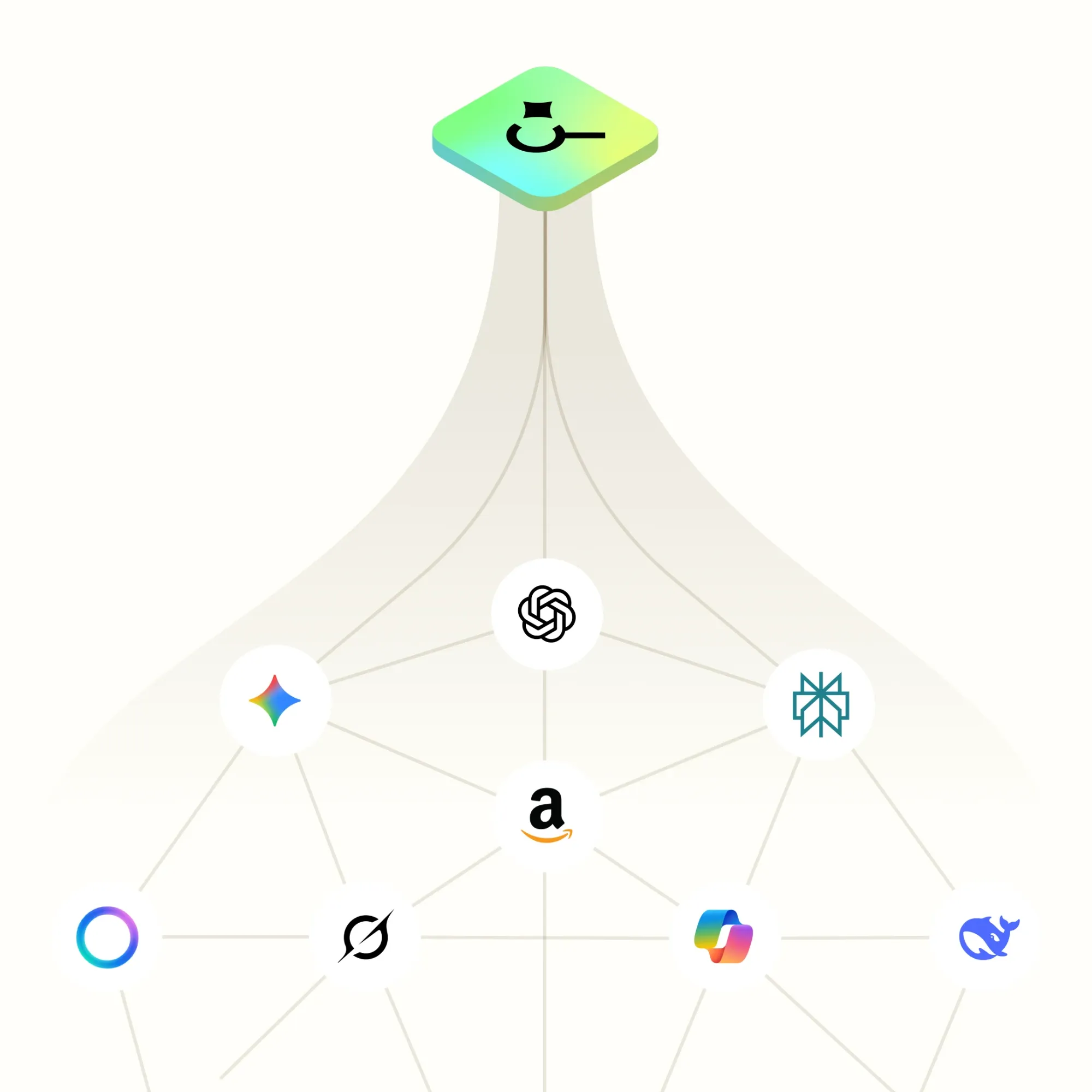
Swap Discovery is a Shopify-native AI visibility platform with two halves. The tracking half runs real buying prompts through ChatGPT, Gemini, Perplexity, and Claude on a schedule and records whether your store, and which competitors, get named, recommended, and cited, down to the product level. The fixing half is what separates it from monitoring-only tools: when the audit finds gaps, Swap Discovery drafts the remediation and applies it inside your store on your approval, generating and maintaining product JSON-LD, publishing and updating llms.txt, and rewriting catalog content so engines have something quotable to work with.
The honest limitations: Swap Discovery is Shopify-only, so multi-platform brands running headless or WooCommerce storefronts alongside Shopify can't cover everything with it. It is not a traditional SEO suite, so it won't manage your Google Search Console workflow, redirect chains, or keyword rank tracking. And like every tool in this category, it cannot force an AI engine to recommend you; it can only make your store the most creditable candidate. Off-site authority (reviews, press, third-party listicles that engines cite) still requires work Swap Discovery can point to but not do for you.
What does StoreSEO do?
StoreSEO is one of the better-established on-page SEO apps in the Shopify App Store. Its core workflow is an SEO checklist per product and page: analyze meta titles and descriptions, flag missing alt text, watch keyword usage, keep your sitemap clean, and surface indexing problems. It has added AI-assisted features over time, such as generating meta content and product descriptions with AI, plus schema support for common types. For a merchant who has never done structured SEO work, it turns an intimidating discipline into a fix-the-red-items list.
The honest limitations: StoreSEO's frame of reference is the Google-era search results page. Based on its public feature list as of November 2026, its reporting is built around on-page SEO rather than AI engine answers, so it isn't designed to tell you whether ChatGPT recommends you, which prompts you're losing, or who's winning them. Its "AI" features are content-generation conveniences, not AI-visibility management. Writing a meta description with AI is not the same as optimizing for AI answers. It appears to cover common schema types; compare its depth against the product-data completeness you need. None of that makes it a bad app; it makes it an app for a different job.
How do Swap Discovery and StoreSEO compare head-to-head?
AI visibility tracking
This one isn't close, because the two apps are built for different jobs. Swap Discovery monitors your share of AI answers across four engines and shows movement over time, prompt by prompt. We are not aware of an equivalent in StoreSEO's public feature list: its reporting is about on-page compliance and Google-facing metrics. If your question is "does ChatGPT mention my store?", StoreSEO isn't designed to answer it.
Automated fixes
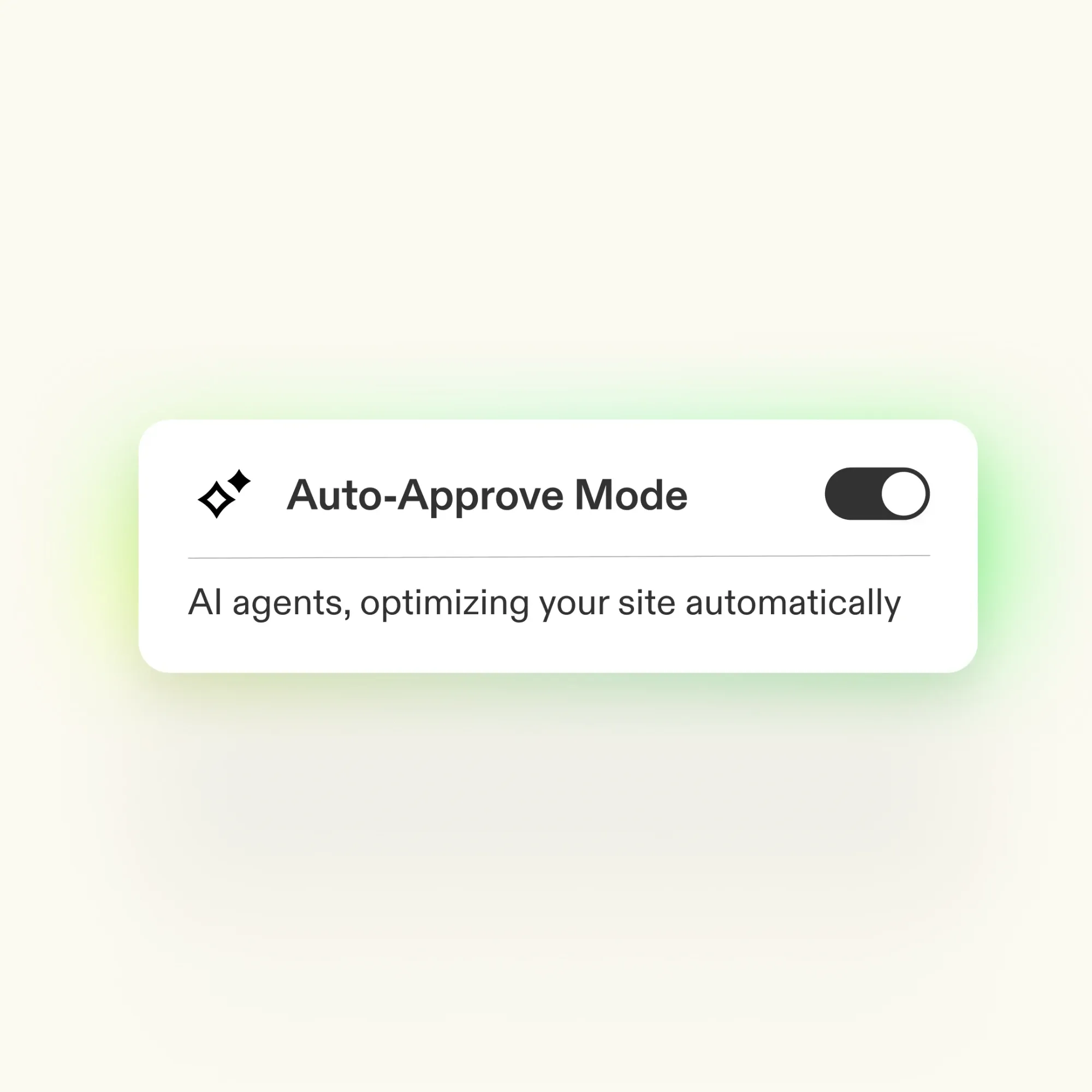
Both apps automate, but at different depths. StoreSEO automates detection (its checklist flags issues) and assists execution, since you approve AI-drafted meta content item by item. Swap Discovery closes the loop: it detects an AI-visibility gap and ships the remediation across the catalog once you approve, keeping JSON-LD and llms.txt current as products change. For a 50-product store the difference is convenience; for a 5,000-SKU catalog it's the difference between done and never-done.
Structured data depth
StoreSEO covers foundational schema, which is enough for Google rich results in common cases. Swap Discovery treats product JSON-LD as a primary surface for AI engines: completeness of offers, availability, identifiers, and attributes, maintained automatically as the catalog changes. If structured data is your main gap, also consider the dedicated schema apps (JSON-LD for SEO, Schema Plus). We compare them in our guide to Shopify JSON-LD apps; based on their public descriptions, they focus on markup rather than AI answers.
Traditional SEO features
Here StoreSEO wins comfortably. Meta-tag workflows, alt-text auditing, sitemap management, redirect handling, and search-console visibility are StoreSEO's home turf, and Swap Discovery doesn't attempt most of it by design. Since some AI engines draw on search indexes, this foundation still matters: sloppy classic SEO can drag on AI visibility too.
Who each app is built for
StoreSEO fits merchants early in their SEO maturity who need guided on-page hygiene at an accessible price point. Swap Discovery fits merchants who already see AI-driven sessions in their analytics, or who sell in categories where shoppers ask AI engines for recommendations, and want that channel measured and actively worked. Agencies tend to run Swap Discovery across client stores as the AI-search layer on top of whatever SEO tooling each client already has.
Can you run Swap Discovery and StoreSEO together?
Yes, and the pairing is coherent: StoreSEO (or a comparable app) handles the Google-facing hygiene layer while Swap Discovery handles the AI-answer layer. The one thing to watch is schema collision. Running multiple apps that each inject product JSON-LD can produce duplicate or conflicting markup, which confuses both Google and AI crawlers. Decide which app owns structured data, disable it in the other, and audit your rendered pages once after setup. That single configuration step prevents most of the problems merchants report with stacked SEO apps.
What about Profound, Semrush, Otterly, and Peec AI?
If your shortlist is bigger than these two apps, the wider field splits into monitoring platforms and SEO suites. Profound is positioned as an enterprise reference for AI-visibility monitoring, with deep engine coverage and answer analytics; per its public materials it is not Shopify-native and is built around reporting rather than store-side changes. Peec AI and Otterly are lighter-weight AI-visibility trackers, similarly positioned around monitoring. Semrush and Ahrefs have added AI-visibility reporting to full SEO suites, a good fit if you already pay for them (see our Swap Discovery vs. Semrush comparison), though their AI features sit alongside a Google-centric core. None of these are wrong choices; they're monitoring-first choices. The gap Swap Discovery aims at is being Shopify-native and closing the loop from detection to approved fix.
So which app should you choose?
Choose StoreSEO if you're early-stage, your on-page basics are a mess, and budget is tight, because AI search optimization won't rescue a store Google can barely parse. Choose Swap Discovery if the question you're actually asking is the one that brought you to this article: how do I get my store into AI answers, and which app does that work? That is the job Swap Discovery was built for, while a traditional SEO app like StoreSEO was designed around a different one. If you're a Shopify Plus brand or an agency evaluating at scale, weigh remediation depth heaviest; it's where the categories genuinely diverge.
What has Swap Discovery added recently?
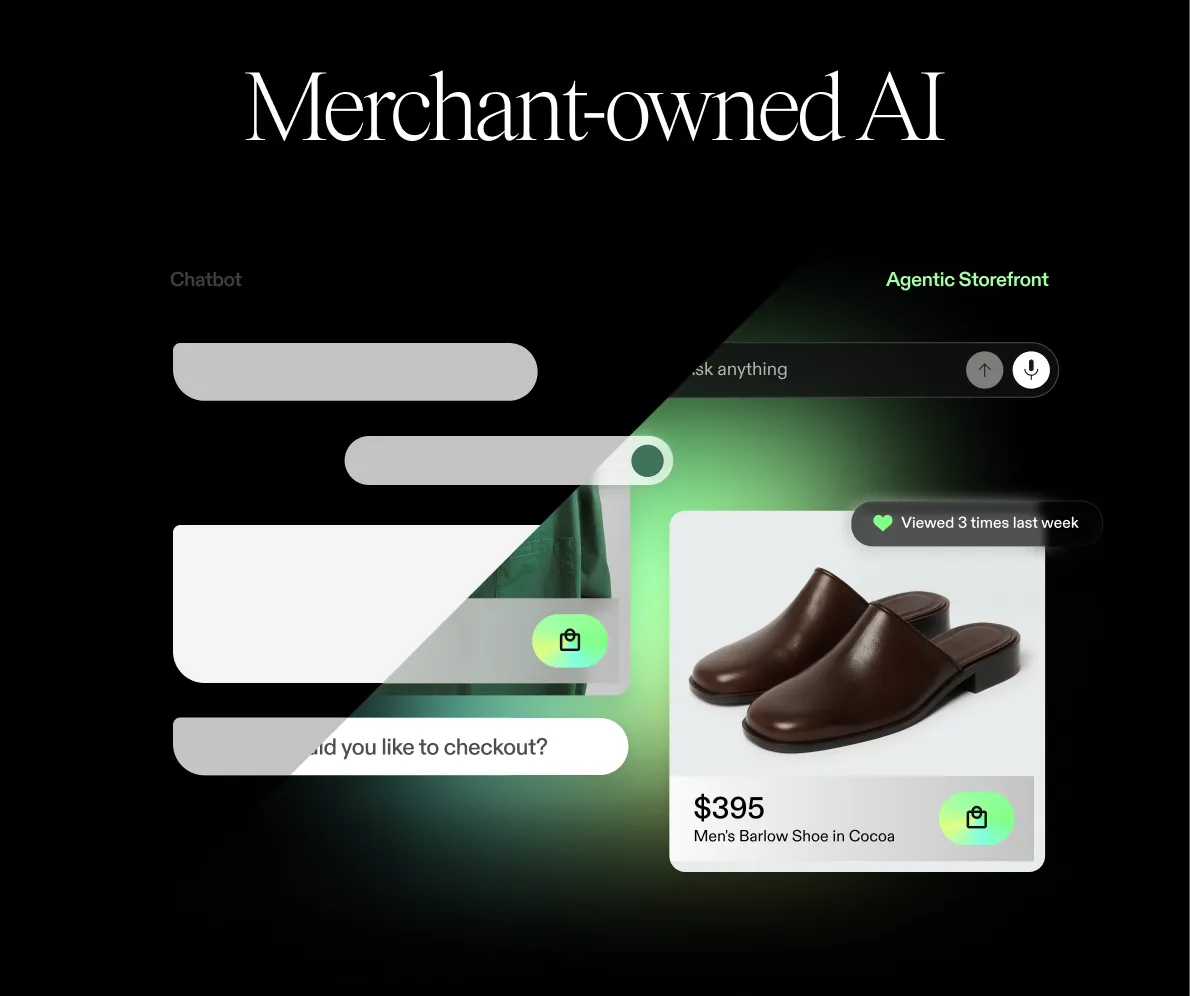
Beyond tracking and fixes, Swap Discovery now works as an agent-led assistant for your store. It analyzes your whole catalog on every plan and turns the gaps it finds into tailored action items: product page rewrites, JSON-LD, HTML sitemaps, an AGENTS.md file for shopping agents, FAQs, collection audits, Knowledge Base enrichment, and blog or evergreen content. You approve each item in your Shopify admin, and the agent remembers your corrections. An in-app agent answers "what should we do first?" in plain language, and Custom plans add a dedicated Slack channel with a proactive AI strategy agent. Visits, orders, and revenue from AI are attributed per product. Swap Discovery also has an MCP connector for Claude and ChatGPT, so from either assistant you can check your visibility, draft fixes, and apply them to your store when you say so. MCP access is included on every plan and is based on usage. Plans start at $79 a month with a 7-day free trial, which makes it easy to run alongside StoreSEO and compare.
Frequently asked questions
Is StoreSEO good for AI search optimization?
Indirectly, somewhat. Clean metadata, alt text, and basic schema improve the crawled content AI engines can draw from, so StoreSEO's hygiene work helps the foundation. But it isn't designed to track whether AI engines mention you, and as of November 2026 its public feature list doesn't mention llms.txt management or AI-specific remediation, so it is unlikely to be your primary AI search optimization tool.
Do I still need traditional SEO if I use Swap Discovery?
Yes. AI engines often draw on search indexes and crawled pages, so classic SEO health remains a plausible input to AI visibility. Swap Discovery deliberately doesn't replace meta-tag workflows, redirects, or rank tracking. Keep a traditional SEO practice (an app like StoreSEO, an agency, or in-house) running alongside your AI-visibility work.
How is AI search optimization different from normal SEO?
Normal SEO competes for positions on a results page; AI search optimization competes for mentions inside a generated answer. The levers overlap but differ: AI answers tend to favor clear machine-readable product data, quotable direct answers, and third-party citations, and llms.txt is an emerging convention whose impact isn't established. There are no ten blue links, because an answer names only a few brands.
Can I run Swap Discovery and StoreSEO at the same time?
Yes. They cover different layers, and most merchants who run both see no conflict. The one setup task that matters: pick a single owner for product JSON-LD so the two apps don't inject duplicate structured data, then spot-check a few rendered product pages to confirm only one schema block appears.
How long until AI engines reflect optimization changes?
It varies by engine and by change, and no one can promise a specific result. Engines that browse live, like Perplexity, may reflect on-site fixes sooner; engines that rely more on periodic crawls and model updates can take longer. Treat it as a compounding program measured in weeks, not a switch, which is why continuous tracking matters more than one-off audits.
The bottom line
Swap Discovery and StoreSEO are both good at their jobs. They just have different jobs. StoreSEO keeps your on-page SEO house in order; Swap Discovery gets your store measured, and fixed, for the AI engines your next customers are already asking. If you want to see where you stand before choosing anything, run a Swap Discovery visibility test on your store to see which buying prompts you're winning and what it would take to change that, or book a demo.
Related reading
- Shopify app for JSON-LD optimization: the structured data layer in depth.
- Which GEO platform actually fixes issues? Detection versus execution, explained.
- Generative Engine Optimization for Shopify: the fundamentals of GEO.
- Best AI visibility tools for Shopify: five platforms compared.
- Ecommerce product discovery with AI: how AI is changing the way shoppers find products.
- AI SEO
- AI Visibility
- GEO
- AEO
- Shopify