












AI Search Optimization for Ecommerce
How ecommerce brands improve visibility, citations, and product recommendations across AI search, answer engines, and AI shopping experiences.
Search results are no longer the only place shoppers discover brands
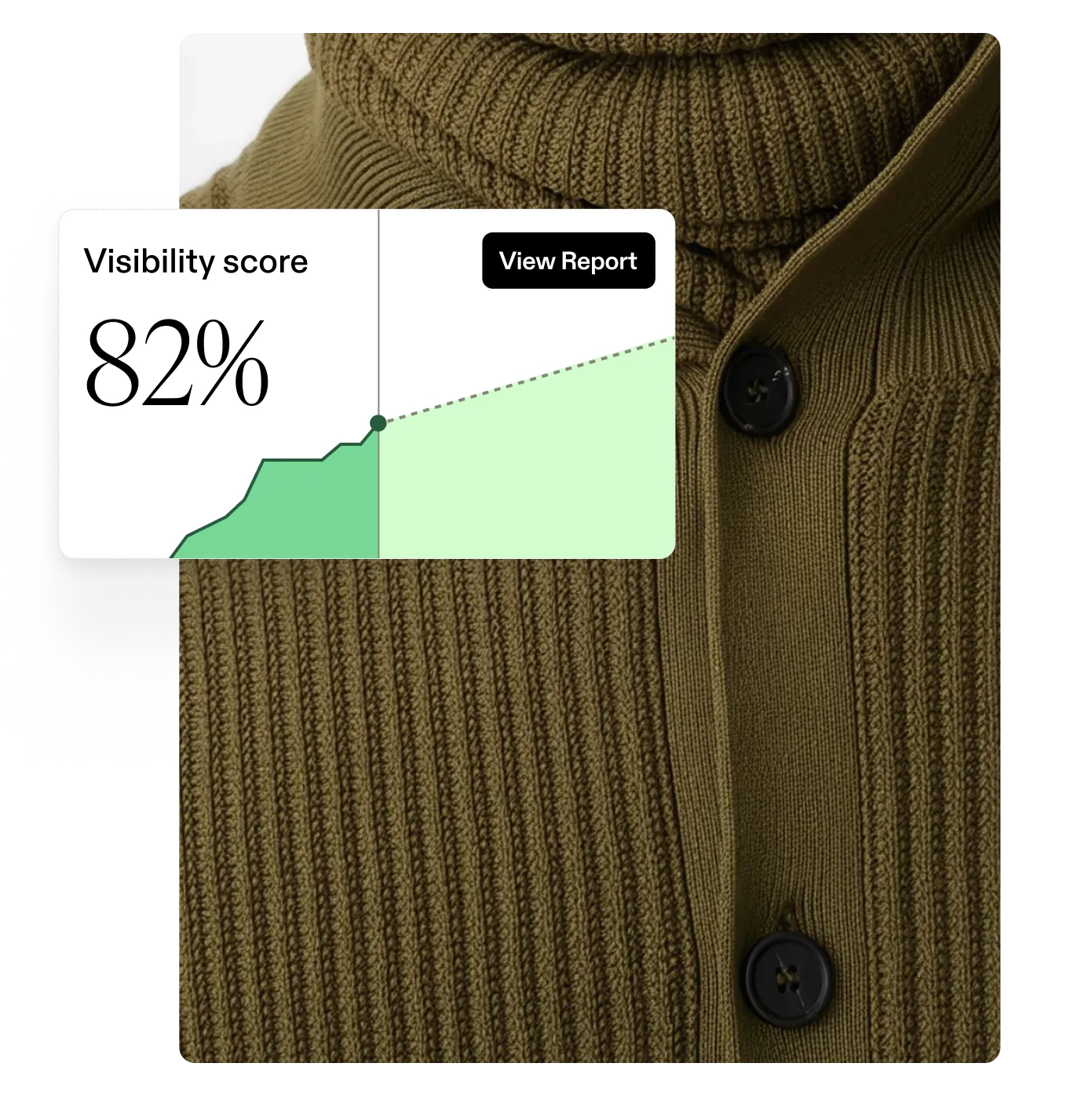
AI search optimization is the process of improving how clearly, accurately, and frequently a brand and its products appear in AI-generated answers, recommendations, and shopping experiences. For ecommerce brands, that means making your site, product data, and authority signals easier for systems such as ChatGPT, Gemini, Google AI experiences, and shopping agents to understand and cite.
SEO
Helps pages rank in traditional search results through crawlability, relevance, authority, and strong site architecture.
AEO
Makes content easy for answer engines to retrieve and use as a direct response to a shopper's question.
GEO
Improves the broader signals that influence whether generative systems mention, trust, and cite your brand.
Four pillars ecommerce teams can improve
Create retrievable answers
Build pages around real shopper questions, give important concepts clear primary URLs, and answer the core question directly before adding depth and supporting detail.

Make entities and relationships clear
Use descriptive headings, structured data, internal links, consistent terminology, and clear relationships between brands, products, categories, policies, markets, and supporting content.
Keep product data complete and current
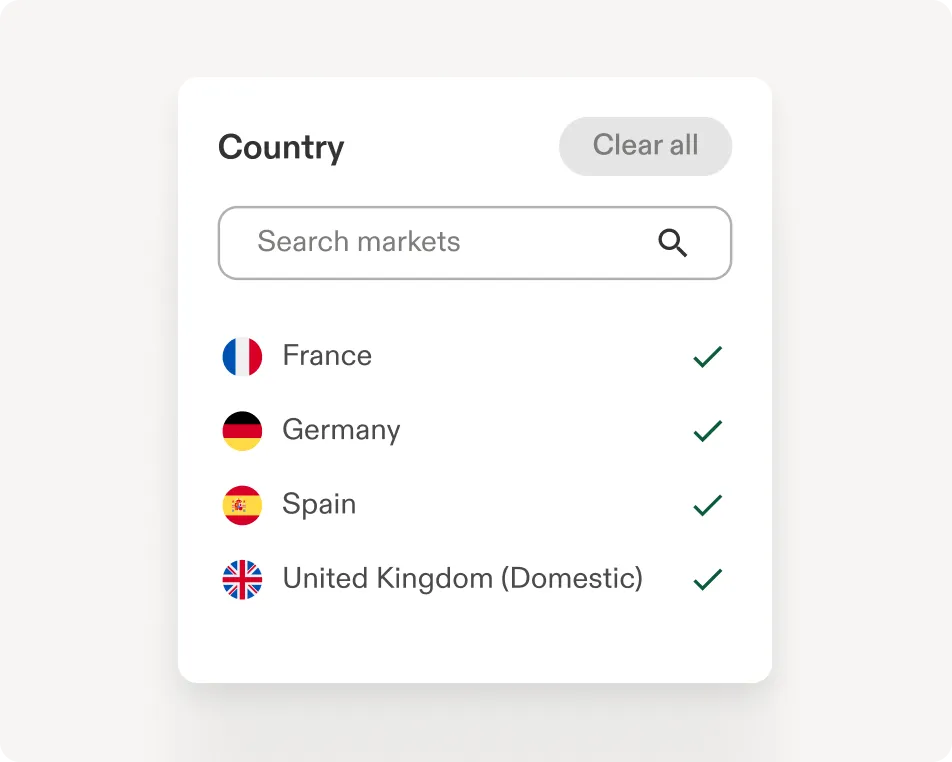
Complete attributes, consistent naming, variants, availability, pricing, shipping, returns, and market eligibility give AI shopping systems reliable product facts to retrieve and compare.
Earn corroborating authority
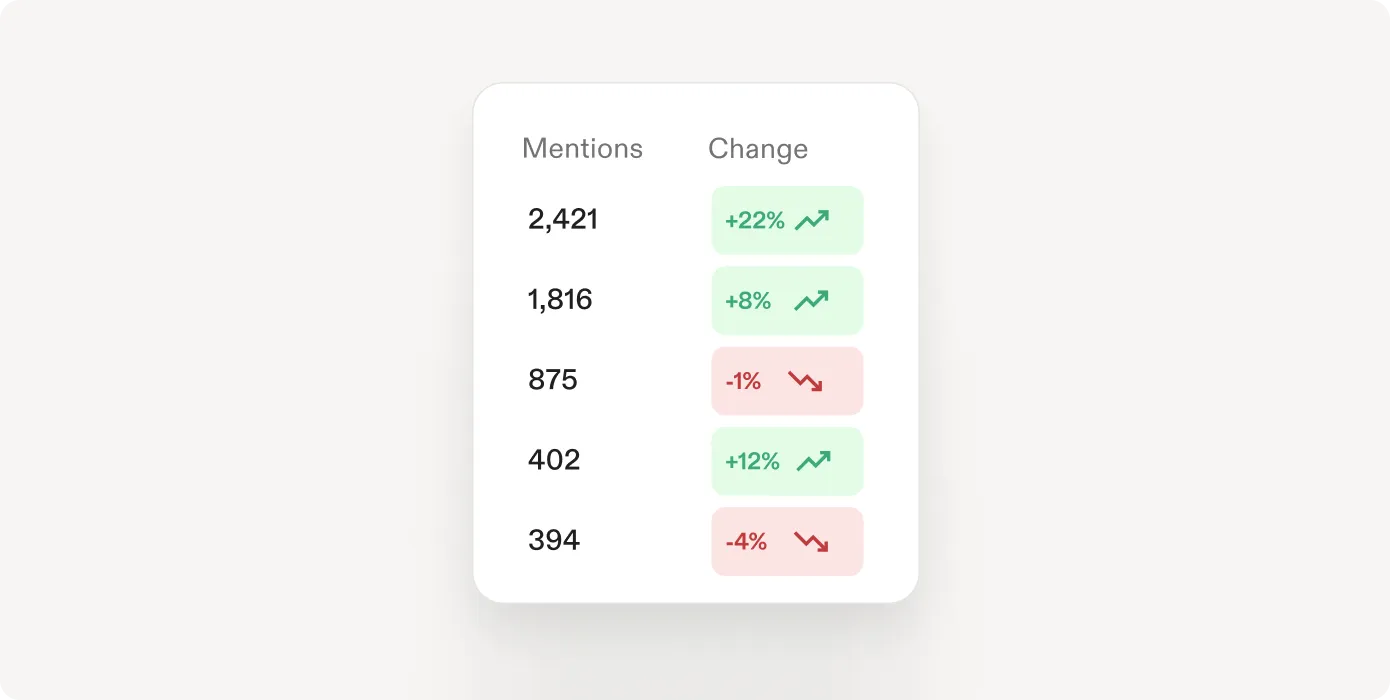
AI systems can use independent sources to validate what a brand says about itself. Editorial coverage, reviews, citations, and consistent third-party references strengthen that corroboration.
AI systems do not rank brands the way a search results page ranks links
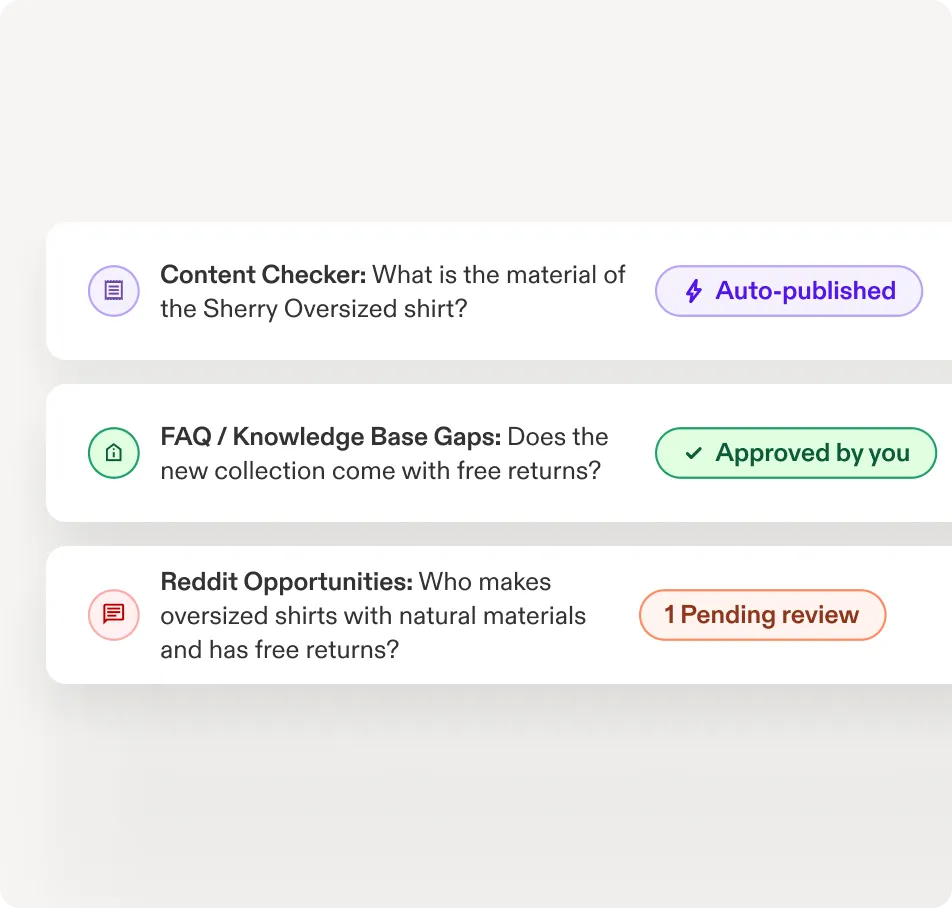
A generative answer can combine many sources into one response, mention a brand without linking to it, cite a third party instead of the brand, or recommend a specific product directly.
This changes the optimization job. Ecommerce teams need pages that answer questions clearly, product information that can be retrieved reliably, and enough corroborating evidence for an AI system to trust the facts it finds.
What should an ecommerce team optimize first?
Start with the parts of your ecommerce site that reduce ambiguity for both shoppers and machines. The goal is to create a clear source of truth for what you sell, who it is for, where it is available, and why an independent system should trust the information.
- Map high-value shopper questions to one clear primary page instead of several competing URLs
- Audit product and collection data for missing attributes, inconsistent naming, stale availability, and unclear variants
- Strengthen structured data, internal linking, policy content, evidence, and third-party corroboration around priority topics
The questions ecommerce teams should be able to answer
Does AI search optimization replace SEO?
No. Strong technical SEO, crawlability, useful pages, and clear site architecture remain foundational. AI search optimization adds a second layer focused on how those assets are interpreted, cited, and recommended by AI systems.
How do you make ecommerce content easier for AI systems to cite?
Use self-contained answers near the top of a page, descriptive headings, plain-language definitions, verifiable evidence, consistent facts, and strong internal linking so each topic has a clear primary source.
How does product data affect AI visibility?
AI shopping experiences need reliable product facts. Incomplete attributes, inconsistent naming, unclear variants, or stale availability make it harder to match a shopper's intent with the right item.
Can a brand guarantee that ChatGPT or another AI tool will recommend it?
No. Brands cannot control an independent AI system's recommendation. They can improve the inputs those systems rely on: accessible content, structured product information, clear entities, credible third-party evidence, and useful answers to relevant questions.