















Key takeaways
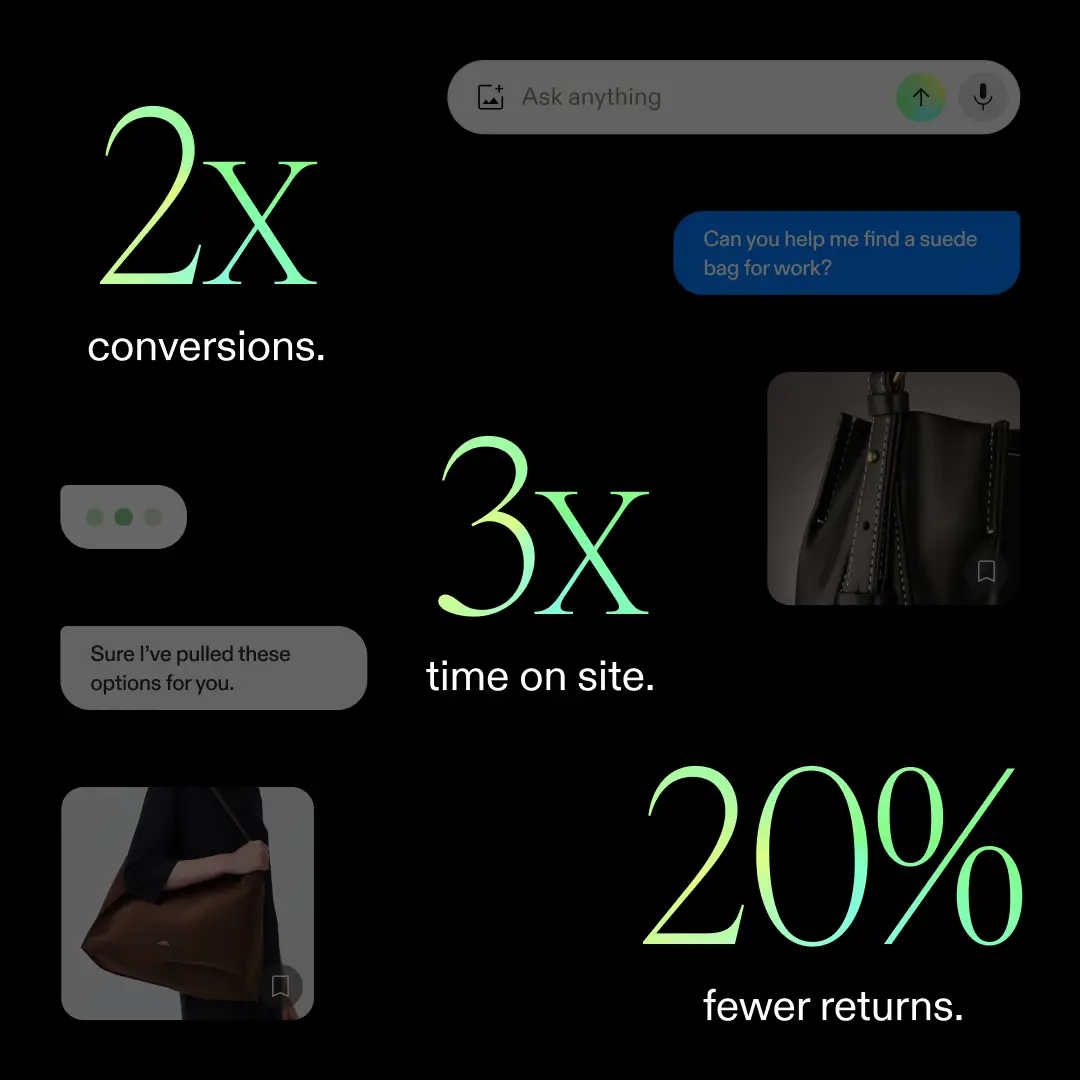
- Merchant-owned AI converts twice as well as platform AI. Brands running Agentic Storefront see 2x conversion, 3x time on site, and 20% fewer returns compared to static storefronts.
- Trust is behavioral, not stated. 58% of virtual try-on sessions end in add-to-cart and 20% convert to purchase, even among shoppers who say they distrust AI.
- The next 12 months decide who owns the shopper relationship. Brands that route AI through their own agent keep the first-party data; brands that route it through a platform chatbot rent it back.
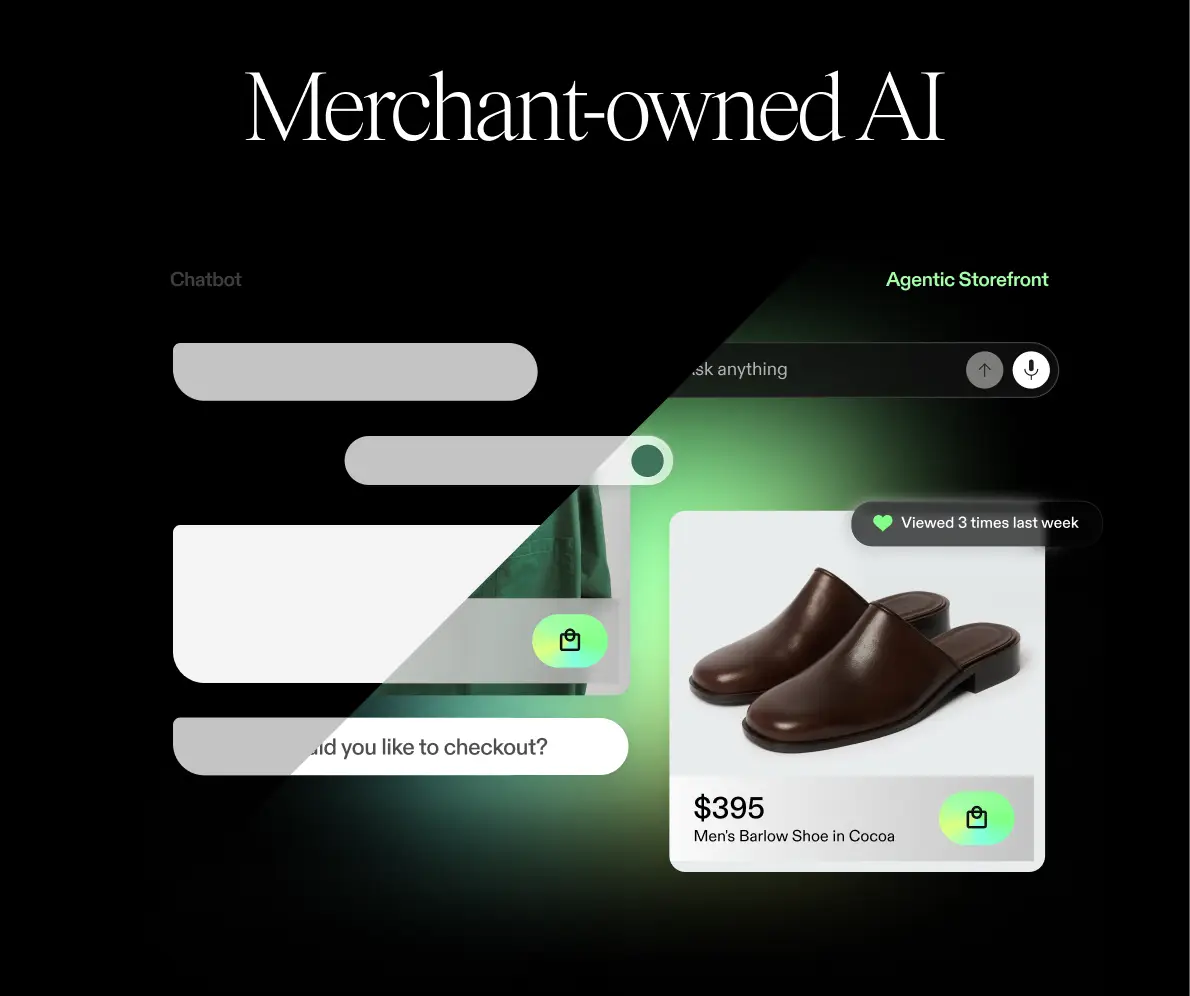
An AI shopping agent that a brand owns keeps the first-party data every conversation generates, and that ownership is what makes it convert. Swap's CMO, Juan Pellerano, told Interline's AI Report 2026 that most brands are measuring AI wrong: activity instead of revenue. The real test is whether AI moves conversion, order volume, retention, or margin, the same scorecard every ecommerce team already uses for its storefront.
The data behind that argument comes from the 20+ brands already implementing Agentic Storefront, Swap's guided, agent-led shopping experience. Here's what the numbers say about merchant-owned AI, and why the next year decides who owns the shopper relationship for good.
Why Cart Abandonment Never Moved For Twenty Years
Shoppers have abandoned carts at nearly 70 percent since 2006, through every checkout upgrade the industry has shipped. If checkout were the real problem, a better one would have fixed it by now. The diagnosis: the storefront was built to display product, not sell it, and no amount of faster load times changes that ceiling. See how Agentic Storefront replaces the static model instead of optimizing around it.
What Merchant-Owned AI Actually Changes
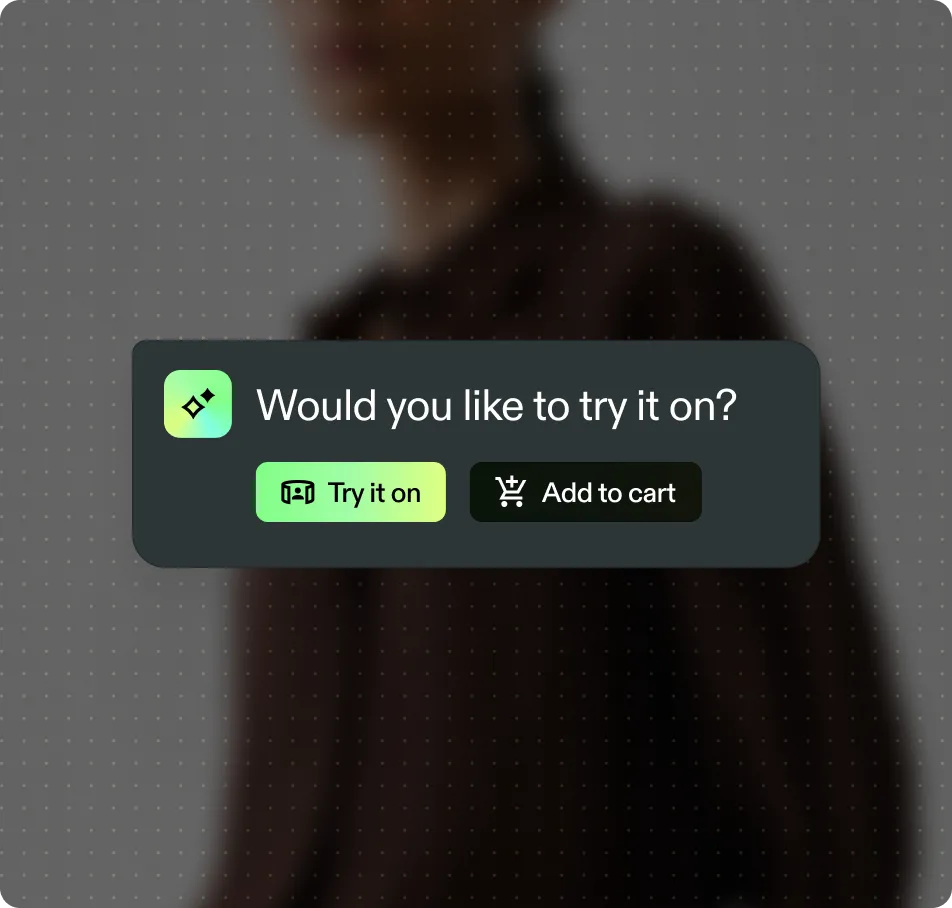
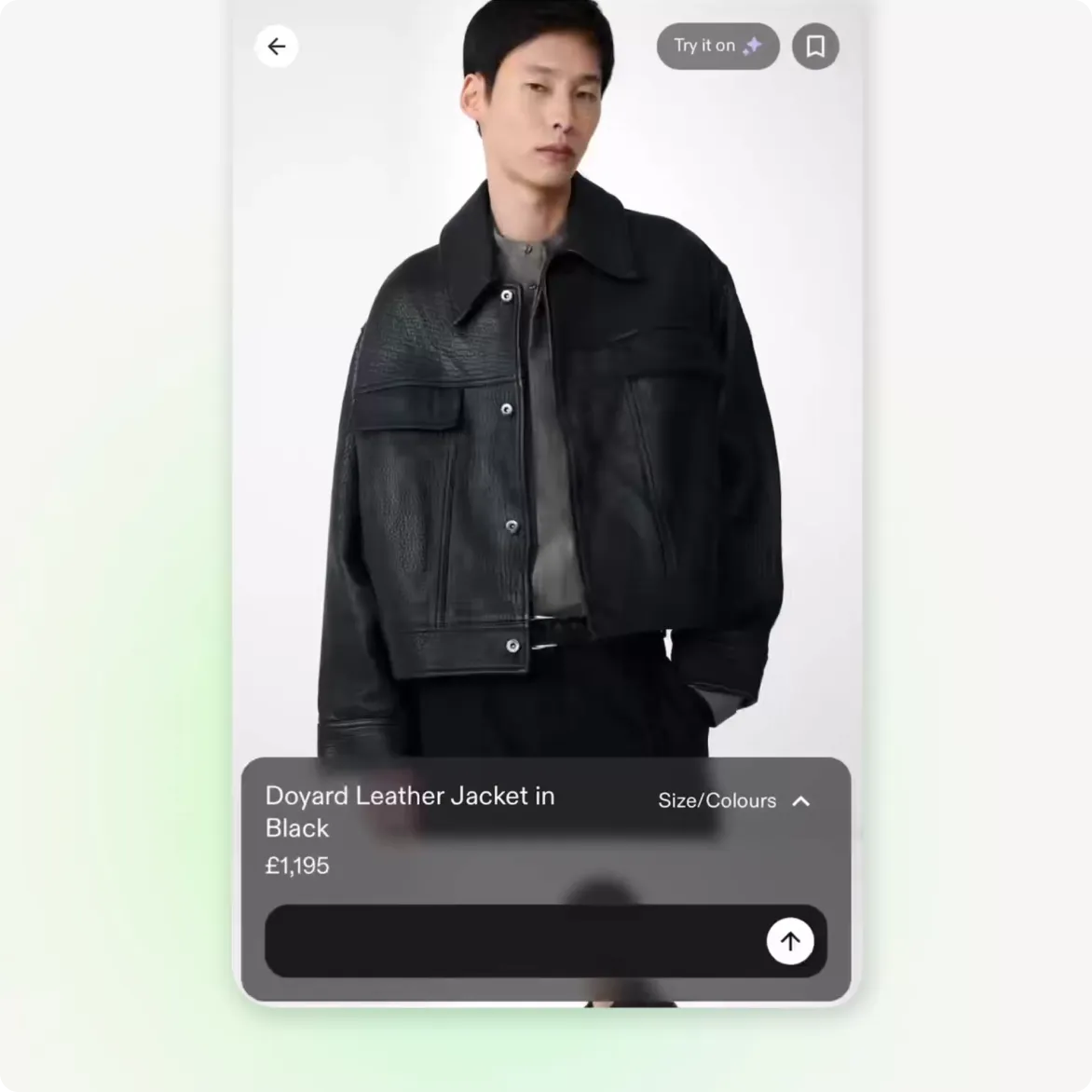
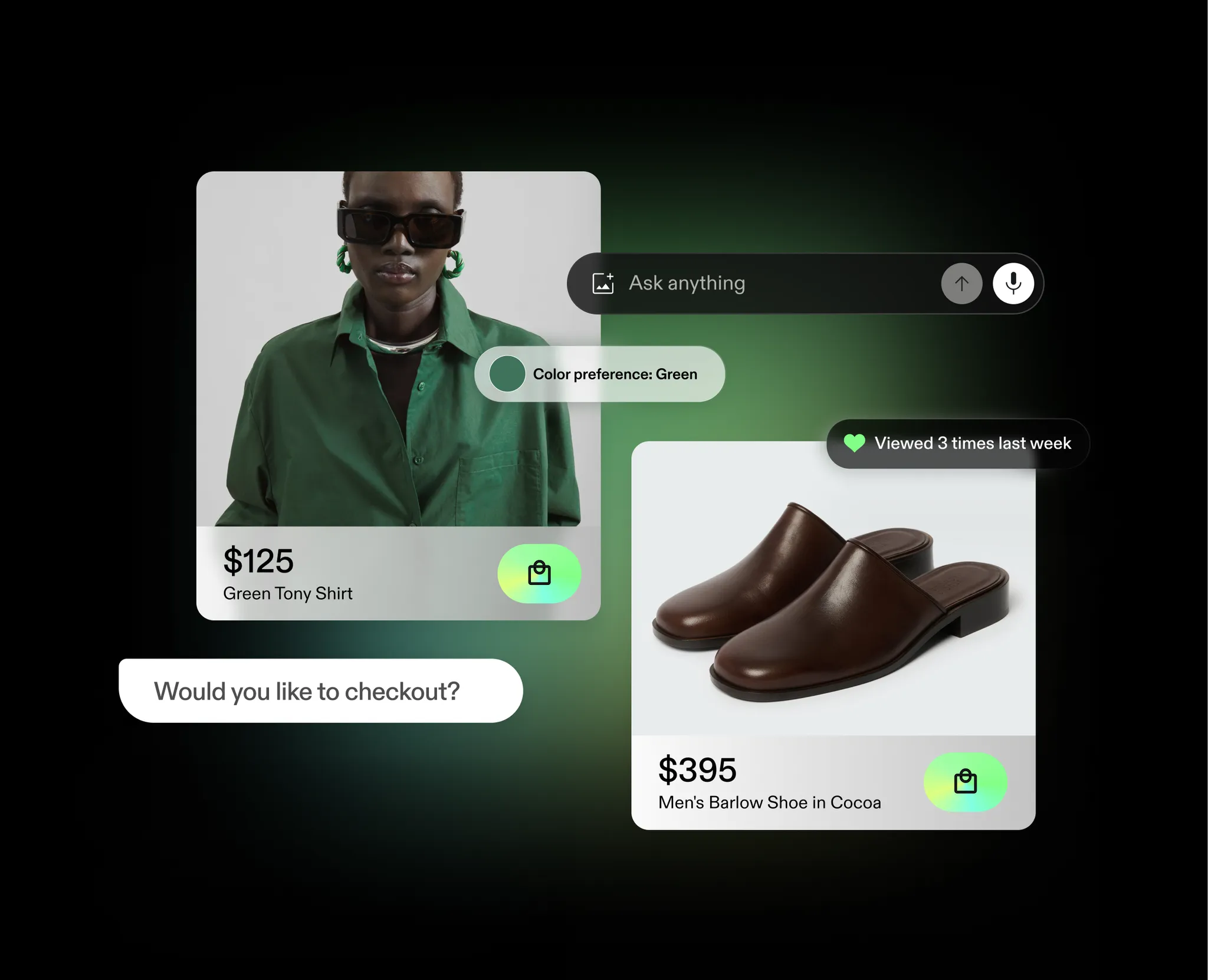
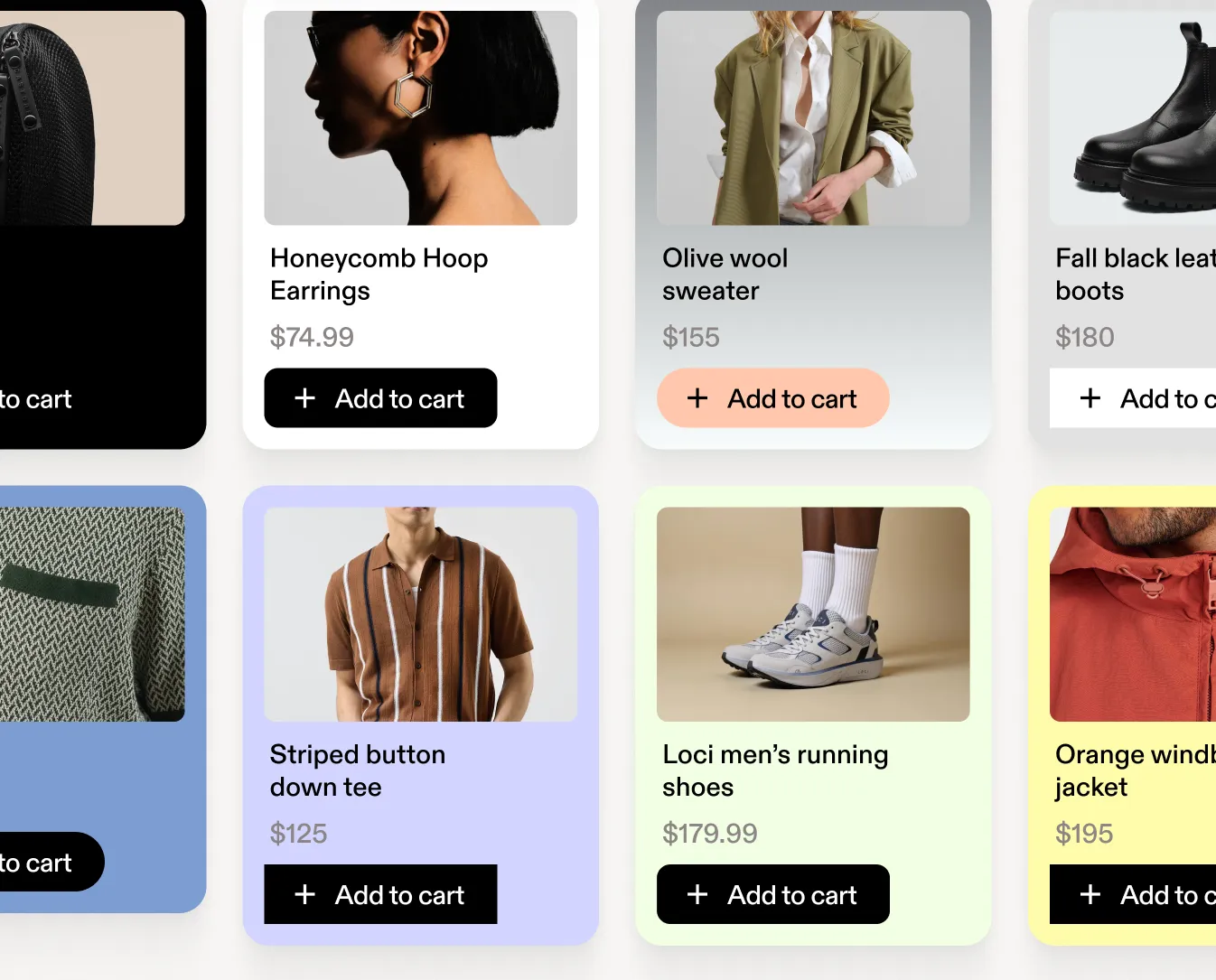
Agentic Storefront guides shoppers from discovery to virtual try-on to checkout in one conversation, brand-controlled from voice to priorities. It is not a chatbot layered on top of a storefront, it replaces the storefront. Brands implementing it see 2x conversion, 3x time on site, a 22 percent increase in monthly order volume, and 20 percent fewer returns. Learn more about how agentic storefronts reduce cart abandonment.
Trust In AI Is Behavioral, Not Something Shoppers State
Surveys say shoppers don't trust AI. Behavior says otherwise. 58 percent of virtual try-on sessions end in add-to-cart, and 20 percent convert to purchase, among the same shoppers reporting skepticism in surveys. The difference is accountability: a merchant-owned agent has a brand's name and reputation behind every recommendation, unlike a generic model that surfaces a product and disappears.

Why Owning The Conversation Means Owning The Customer
Wholesale, marketplaces, and search each captured the brand-shopper relationship in turn, and AI is next in line unless the brand owns the agent. Whoever owns the conversation owns the first-party intent data that compounds with every visit, and that asymmetry only widens over time. The next 12 months decide the default: whether shoppers start their search inside a brand's own experience, or inside someone else's chat window. Read more on what agentic commerce means for merchants.
The Proof: A Single Drop, Biggest Sales Day Ever
The WILLY CHAVARRIA x adidas World Cup collection launched exclusively through an Agentic Storefront and posted the brand's biggest single-day sales ever, with over 50 percent sell-through. It is the kind of number that ends the internal debate about whether to test agentic commerce, and starts the one about why the next drop is not on it too.
How To Grade AI Like Any Other Investment
Most brands measure AI by activity: prompts run, hours saved, workflows streamlined. Those numbers justify nothing on a P&L. The scorecard that matters is the one already used for the storefront: conversion, order volume, retention, and margin. If an AI investment can't move those four, it isn't ready for the storefront. See the full case for agentic commerce and where the value concentrates next.
The static storefront already hit its ceiling. The brands that own their agent are the ones who keep their customers.
Last updated: August 26, 2026
- AI shopping agent
- first-party data
- merchant-owned AI
- agentic storefront
- agentic commerce
- cart abandonment
- AI shopping assistant
- virtual try-on
- conversational commerce
- ecommerce conversion AI