















Key takeaways
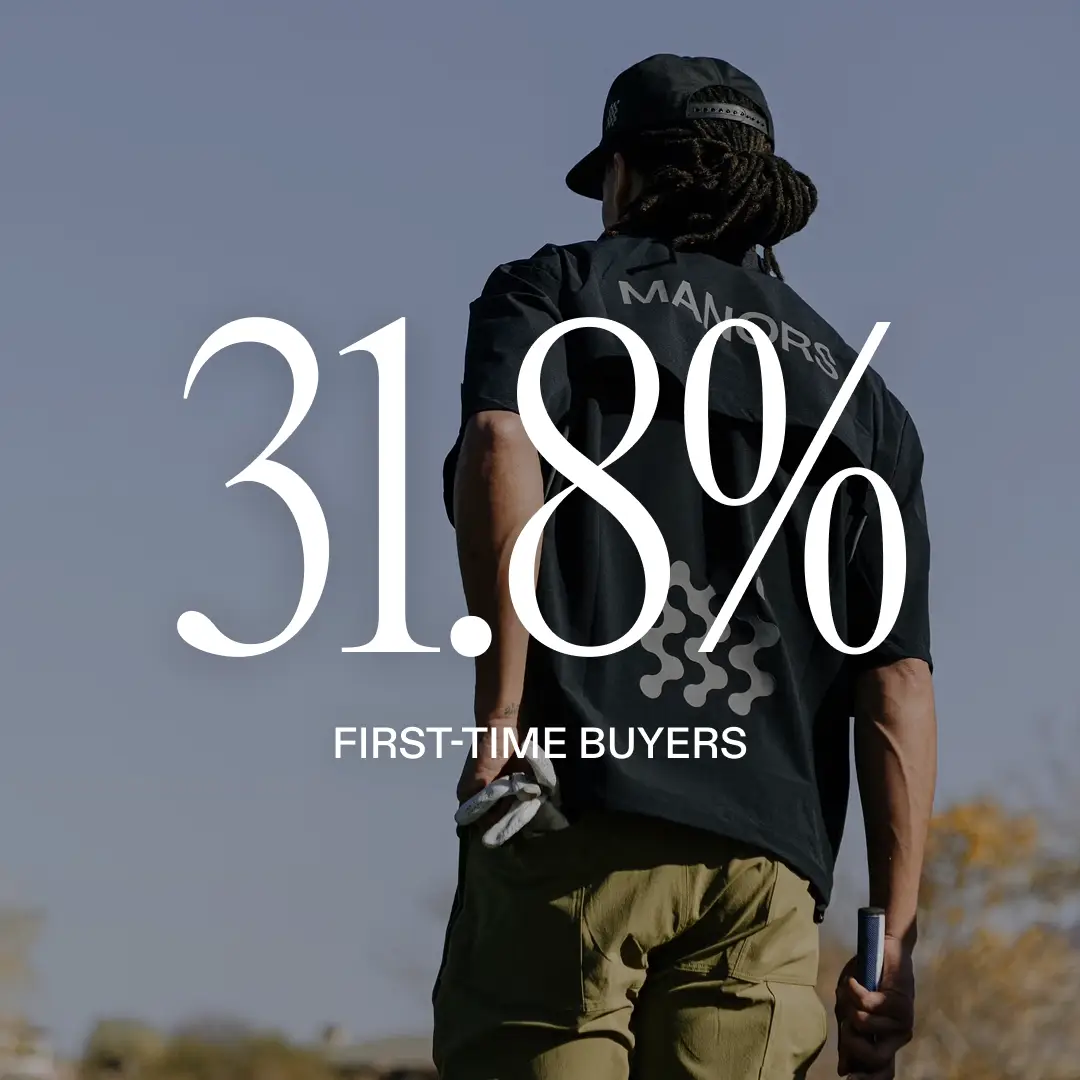
- 31.8% of orders came from first-time buyers. Manors Golf's Agentic Storefront converted new customers through AI-guided conversation, not a paid campaign.
- Returns fell 53.5% below an already-low benchmark. Guided discovery closed the gap between what shoppers expected and what arrived.
- Zero cannibalization. The core .com storefront grew 18.5% in sales in the same window the agentic channel launched.
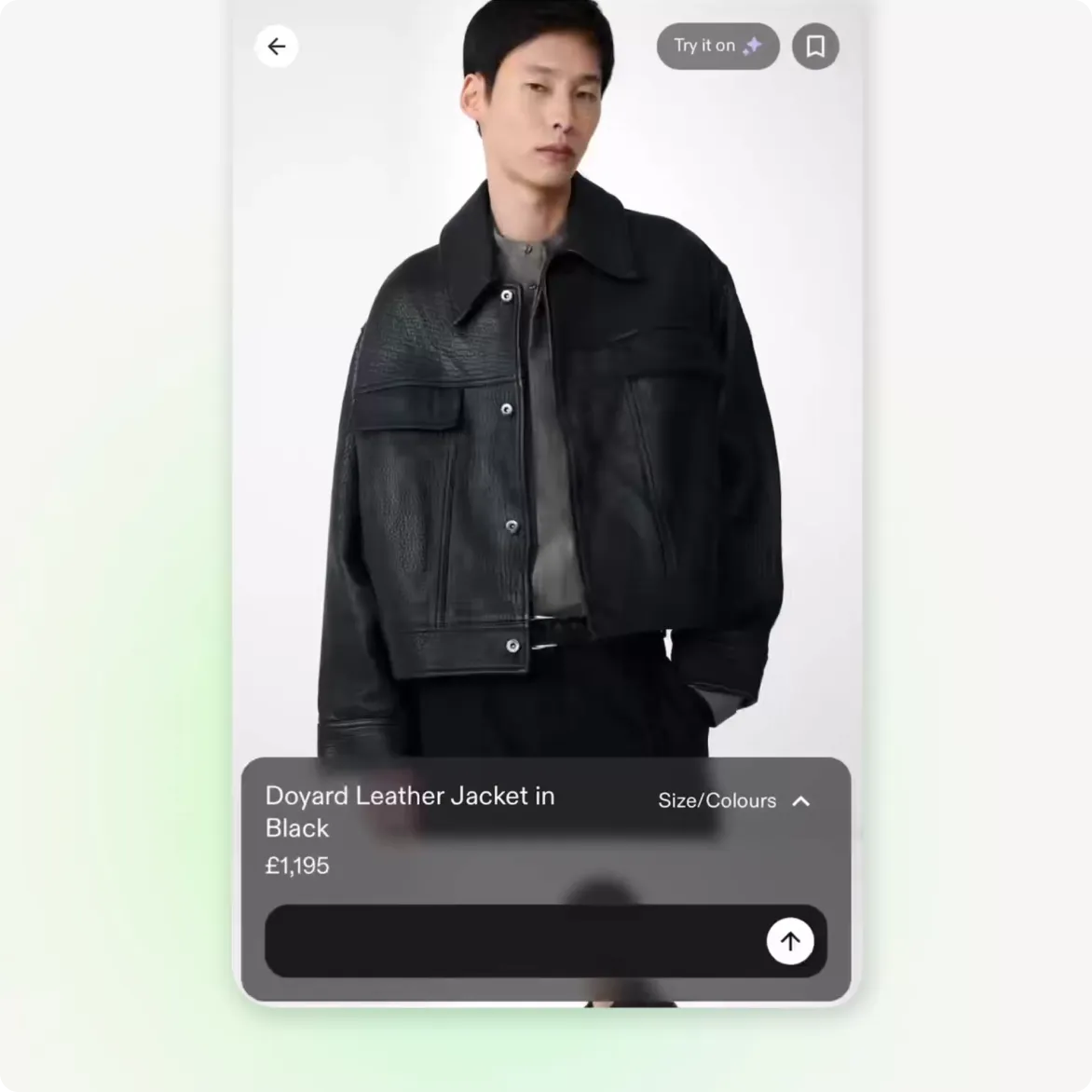
Search is shifting from links to answers, and storefronts are starting to follow. Manors Golf, the UK menswear brand built on golf heritage and streetwear, launched its own Agentic Storefront, built with Swap: a conversational, AI-guided shopping experience layered on top of its existing site. Two months in, the brand's own numbers show a channel that converted new customers, cut returns, and grew alongside the core store rather than pulling from it.
What is an agentic storefront?
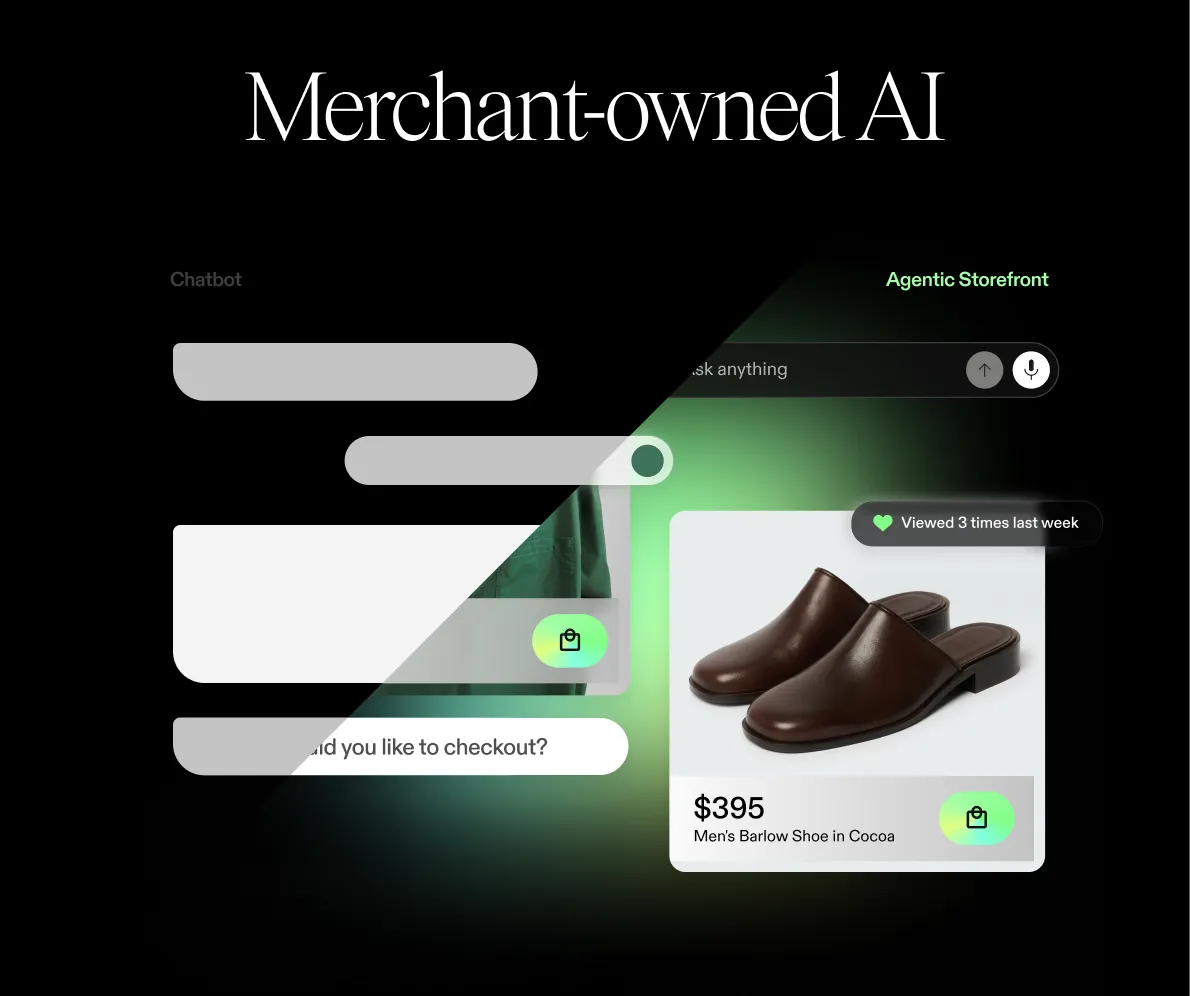
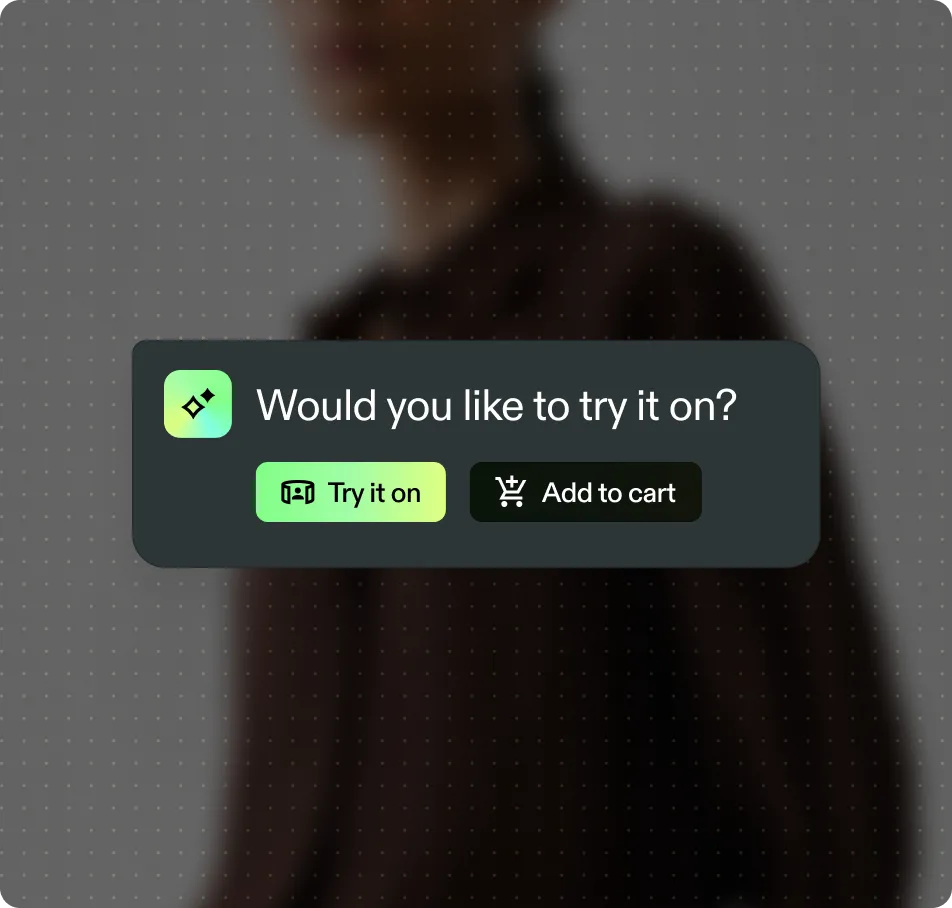
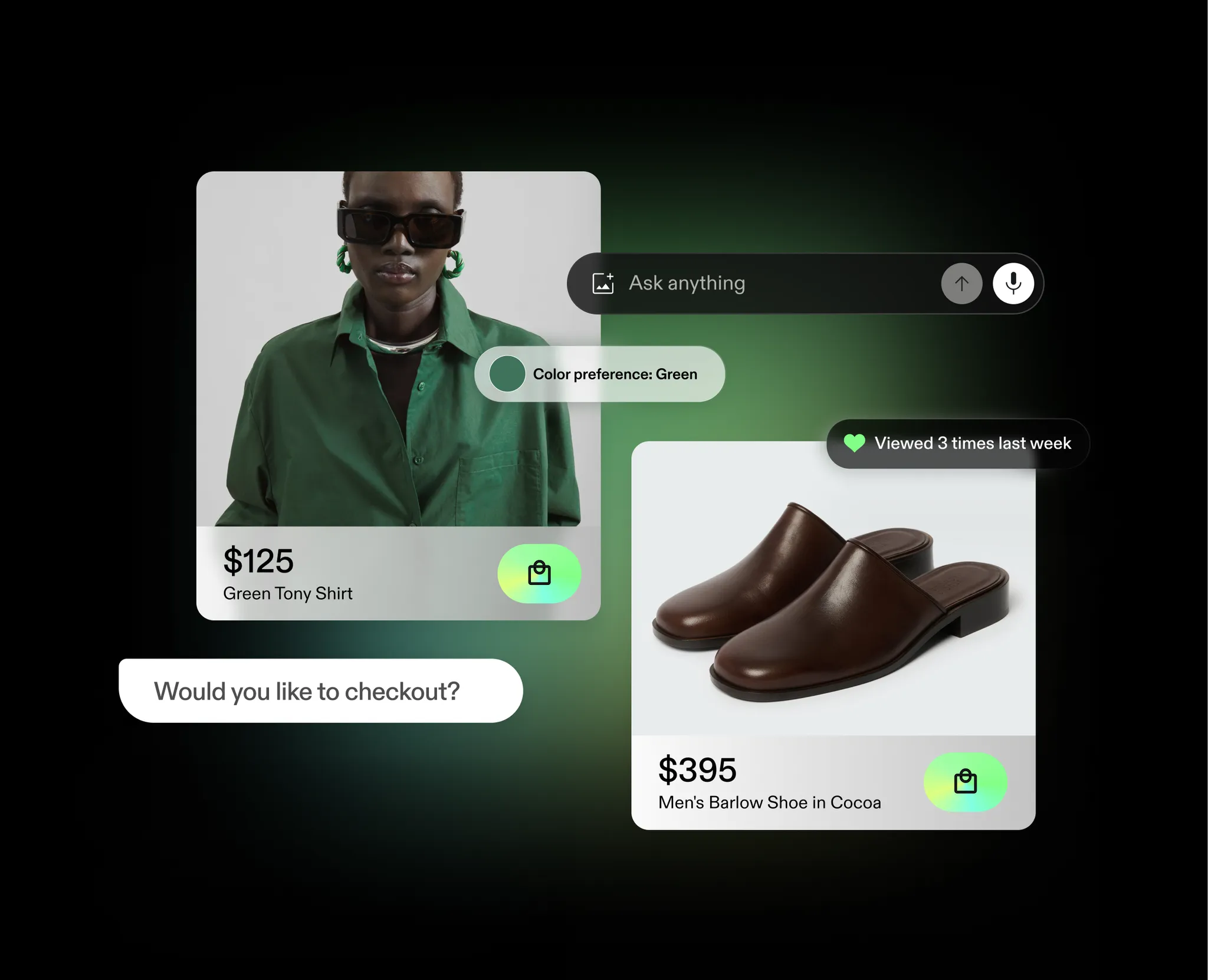
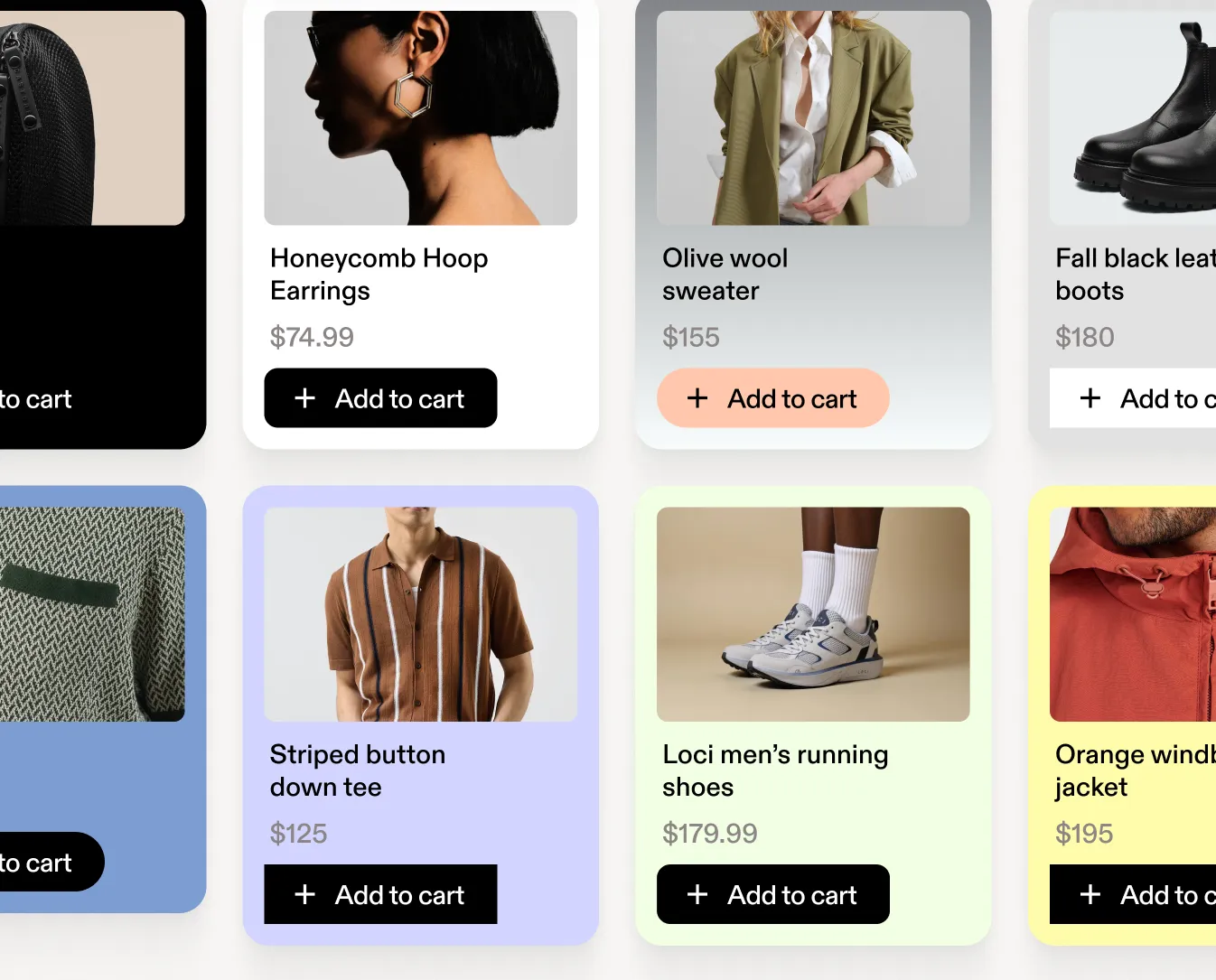
An agentic storefront replaces the traditional browse-and-filter journey with a guided, conversational one. Instead of landing on a grid and hunting for size, fit, or context alone, a shopper is walked through the range by an AI agent that asks questions, understands intent, and recommends products, closer to ChatGPT layered on top of ecommerce than a search bar.
Less search bar, more knowledgeable friend who knows the range inside out.
Jojo Regan
Co-founder, Manors Golf
Why Manors Golf built a conversational shopping channel
Manors' founders had lived through one platform shift before, building agency clients' sites for mobile as desktop traffic collapsed through the 2010s. They read the current shift the same way. Google's global search share fell below 90% in late 2024, ChatGPT now handles an estimated 20% of search-related traffic, and 69% of Google searches end without a click at all, up from 56% a year earlier. People aren't searching less; they want answers, and increasingly they're getting them from LLMs rather than links. Manors treated a conversational commerce channel as infrastructure to build now, not a trend to wait out.

The results: what Manors Golf's Agentic Storefront delivered
Manors seeded the channel with a single email to its existing newsletter list before scaling further, then measured it against, not instead of, its core store. In that first period:
- 31.8% of orders came from first-time buyers, new customers who converted through conversation with no paid campaign behind the launch.
- Returns dropped 53.5% below Manors' own already-below-industry return rate. When a shopper is guided to the right product instead of left to guess, the order is more likely to stick.
- 62.3% of agentic-channel orders came from returning customers, against 35.5% on the core .com, though Manors is upfront that the channel was seeded from a newsletter list that already skewed toward existing customers.
So the more honest question is not whether the agentic channel outperforms your .com. It is whether you can afford not to have this in your arsenal?
Jojo Regan
Co-founder, Manors Golf
Does an agentic storefront cannibalize your core store?
No, not in Manors Golf's case. In the same period the agentic storefront launched, the brand's core .com storefront grew 18.5% in sales and 29.6% in orders. Both channels grew together rather than one taking share from the other, evidence that a conversational channel can be additive rather than a reshuffling of existing demand. Manors also reported the most engaged pilot-testing cohort Swap has seen from any brand launching the feature, ahead of a wider ecommerce returns strategy built around the same guided-discovery principle.
Last updated: August 3, 2026
- agentic storefront
- conversational commerce examples
- AI shopping assistant
- agentic commerce case study