
















Generative Engine Optimization (GEO) is the practice of improving how your brand and products appear in AI-generated answers and recommendations. For Shopify merchants, it combines useful content, accurate product information, technical accessibility, and measurement of the buying questions that matter to your business.
Swap Discovery brings that work into a Shopify-focused workflow: understand your AI visibility, identify information gaps, make improvements, and monitor visibility and business metrics over time.
Why GEO Matters for Shopify Merchants
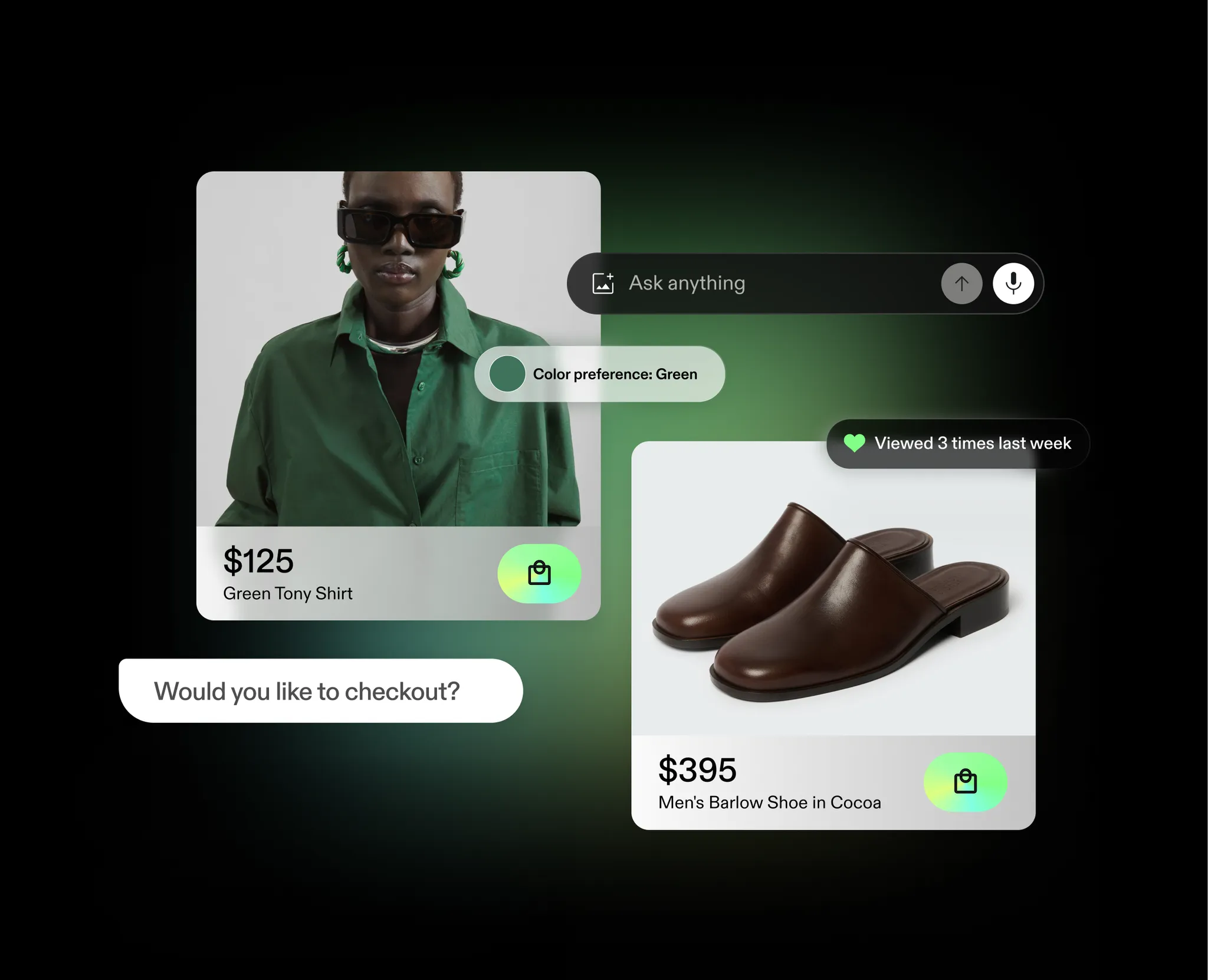
AI shopping assistants give customers another way to discover and compare products. A shopper might ask, "Which waterproof jacket works for a daily cycle commute?" rather than search for a broad product category. Useful answers depend on specific information about materials, fit, features, and intended use.
The goal is not to strip personality out of your store. It is to make your brand story and product facts work together. Shopify recommends designing product pages for both people and AI systems, combining clear benefits with detailed specifications and relevant attributes.

Understand Where Your Brand Appears in AI Search
Swap Discovery tests buyer prompts across supported assistants, including ChatGPT, Gemini, Claude, and Perplexity. It shows whether your brand appears, which competitors are recommended, and which sources are cited. Model coverage and testing allowances depend on your plan, as outlined in the Shopify app listing.
Use those results to establish a baseline for your category. Start with questions connected to your priority products and customer needs, then review them consistently. Treat the results as evidence about the questions tested, not a complete record of every conversation shoppers have with AI.
Turn Visibility Gaps Into Improvements Inside Shopify
Swap Discovery connects AI-answer analysis with your store's context to produce a tailored Action Plan. Recommended work can include new content, product and collection revisions, FAQs, and structured-data improvements.
For example, a missing answer to a buying question might call for a blog post or an evergreen buying guide. An unclear product difference might be better addressed on a product or collection page. Choose the format that answers the question, rather than creating another article by default.
Use your product facts and relevant links to develop the improvement, then review it before publishing. Swap Discovery supports merchant approval and automation for supported actions, so you can choose the appropriate level of control for the work being applied.

Keep Product Information Clear, Accessible, and Connected
Build on a reliable store foundation: readable page content, relevant internal links, and structured data that accurately represents the information customers can see. Google identifies these as useful fundamentals for its AI search features, alongside keeping product information up to date.
This is not about creating a separate, machine-only version of your brand. Keep buying guides connected to relevant products and collections, and make essential details easy to find. Google's guidance for AI features confirms that established SEO practices still apply; special AI markup is not required.
Measure Visibility Alongside Traffic and Sales
Swap Discovery reports visits, orders, and revenue attributed to AI referrals alongside visibility. This brings discovery metrics and commercial results into the same workflow.
Evaluate three questions: Are you appearing for relevant buying prompts? Are identified AI referrals bringing visitors to the store? Are those visits associated with purchases? Record what changed and when it went live, then compare consistent periods rather than treating one result as proof of impact.
Keep attributed results separate from estimates. Google Analytics documents several reasons traffic can lack a clear referral source. Unattributed traffic should not automatically be counted as AI traffic, and a visibility increase alone does not prove that a particular change caused additional revenue.
How to Choose a Shopify App for AI Optimization
Evaluate the work a tool helps you complete, not just the score it displays. Use a real customer question and a relevant page to test the workflow from diagnosis to implementation and reporting.
Look for clear evidence behind recommendations, supported ways to improve your store, appropriate approval controls, and reporting you can interpret. For a small team, start with a manageable set of improvements rather than trying to act on every opportunity at once.
Start With Your Next Useful Improvement
Choose a buying question that matters to your store. Check how your brand appears, identify what shoppers need to know, and make the next relevant improvement.
Explore Swap Discovery or install it on Shopify to connect AI visibility insights with practical store improvements.
- generative engine optimization
- GEO for Shopify
- Shopify AI search
- AI visibility
- Swap Discovery