
















Not All Agentic Commerce Is Built for You
ChatGPT surfaces products. Site chatbots answer questions. Neither is working for your brand. Here's what actually is - and why the difference determines who wins the next decade of ecommerce.
"Agentic commerce" is everywhere right now. Every panel, every conference, every vendor deck. And when you search for it, you'll typically find one thing: agent-to-agent transactions. AI buying on behalf of AI, executing purchases autonomously across platforms.
That's a real direction commerce is heading. But it's not where most brands are today - and treating it as the definition creates a gap between where you think the opportunity is and where it actually is.
There are three distinct things happening under the agentic commerce label right now. Only one of them is built to convert your customers, protect your data, and grow your revenue. Knowing the difference isn't academic. It determines whether AI becomes your biggest growth lever or just another expensive experiment.
$1 Trillion
Projected orchestrated revenue from agentic commerce in US B2C retail by 2030
Layer One: The AI Giants (ChatGPT, Gemini, Perplexity)
When most people hear "agentic commerce," this is what they picture. A shopper asks ChatGPT for a product recommendation. Gemini helps someone plan a gift. Perplexity surfaces results across the web. Sephora linked up with ChatGPT. Gap partnered with Gemini. It's real, it's growing, and brands are paying attention.
The numbers back up the shift. ChatGPT is now seeing 50 million shopping-related search queries every day. Google still handles close to 1 billion - but that gap is closing faster than most people expect. Generative AI traffic to US retail sites grew 4,700% year-over-year in 2025. Nearly one in three consumers now prefer searching for products through AI over traditional search.
The shift in consumer discovery behavior is not hype. It's already happened. And optimizing for it matters - GEO and AEO are real priorities that every brand needs to get right.
But here's the problem with stopping at Layer One. These platforms are not merchant tools. They're consumer platforms with a discovery mechanism. When ChatGPT recommends your product alongside five competitors, your brand voice is flattened into their aggregation. Your customer relationship belongs to OpenAI. Your conversion data goes nowhere you can access.
Discovery on someone else's platform is not a commerce strategy. It's traffic dependency. And traffic dependency without ownership is where brands have been stuck for the last fifteen years with Google.
50M
Shopping-related search queries per day on ChatGPT - growing rapidly against Google's ~1 billion daily shopping queries
Layer Two: The Chatbot Add-Ons (Better Wrapper, Same Architecture)
The second thing sold as agentic commerce is the wave of AI-powered chat widgets, recommendation overlays, and on-site assistants that have flooded the market over the last two years.
You've seen them. A floating chat bubble. A "virtual stylist" pop-up. A search bar powered by natural language. These are real improvements over what existed before - but they are not agentic, and the distinction matters operationally.
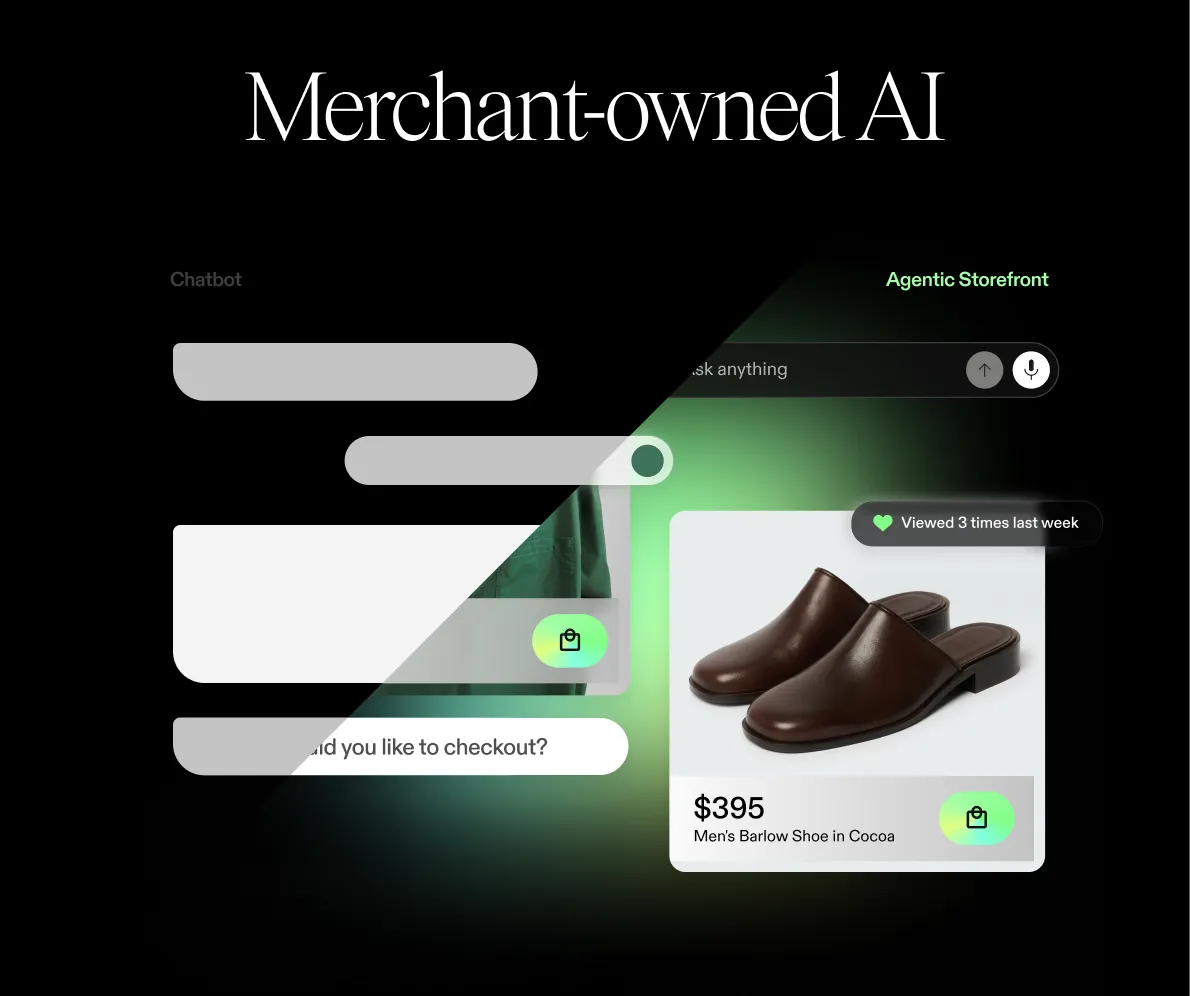
What a chatbot does vs. what an agentic storefront does
A chatbot with an LLM powering it is still a chatbot:
- Responds to single prompts in isolation - no memory of context or prior sessions
- Gives information and stops - it does not take action on the customer's behalf
- Returns generic results from a static catalog snapshot
- Hands off to a separate checkout flow, where a meaningful percentage of customers drop off
An agentic storefront operates differently at every step:
- Maintains context across the full conversation and carries memory across sessions
- Takes action based on that information - surfaces, recommends, and executes
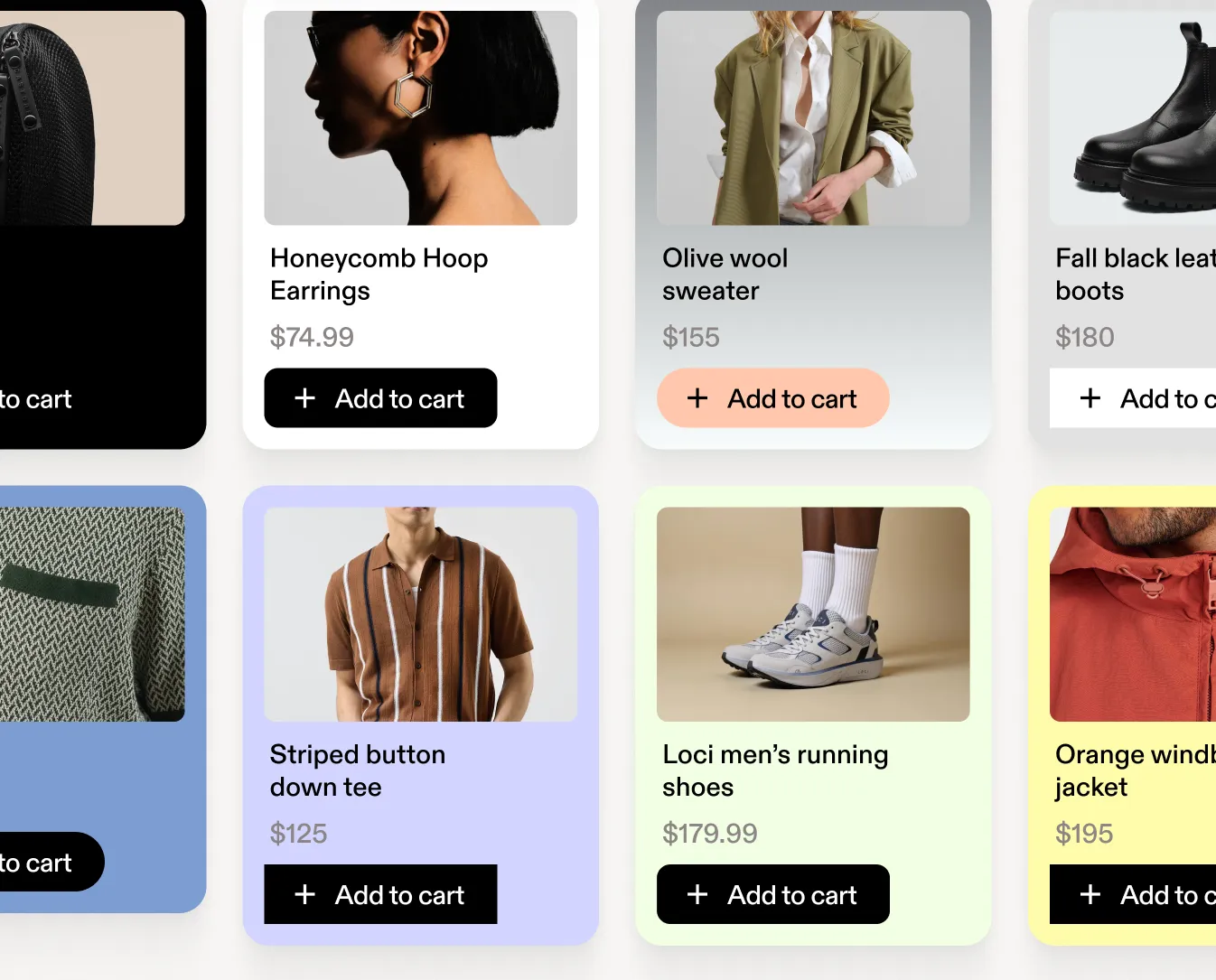
- Pulls personalized results from your live catalog in real time
- Completes the transaction in the same conversation - voice or text, no handoff
The other failure mode of Layer Two: these tools are built for consumer convenience, not merchant control. You can't customize the agent's voice. You can't set recommendation rules. You can't tie the experience to your brand identity. And critically - the intent data those conversations generate doesn't belong to you.
The chatbot add-on gives you engagement metrics. The agentic storefront gives you first-party intent data across every interaction - what customers are actually looking for, what language they use, what makes them hesitate, what makes them buy. No other digital tool produces that signal.
Layer Three: Merchant-Owned Agentic Commerce (The Only One Built for Your Brand)
This is where the conversation needs to land - and where most brands aren't yet.
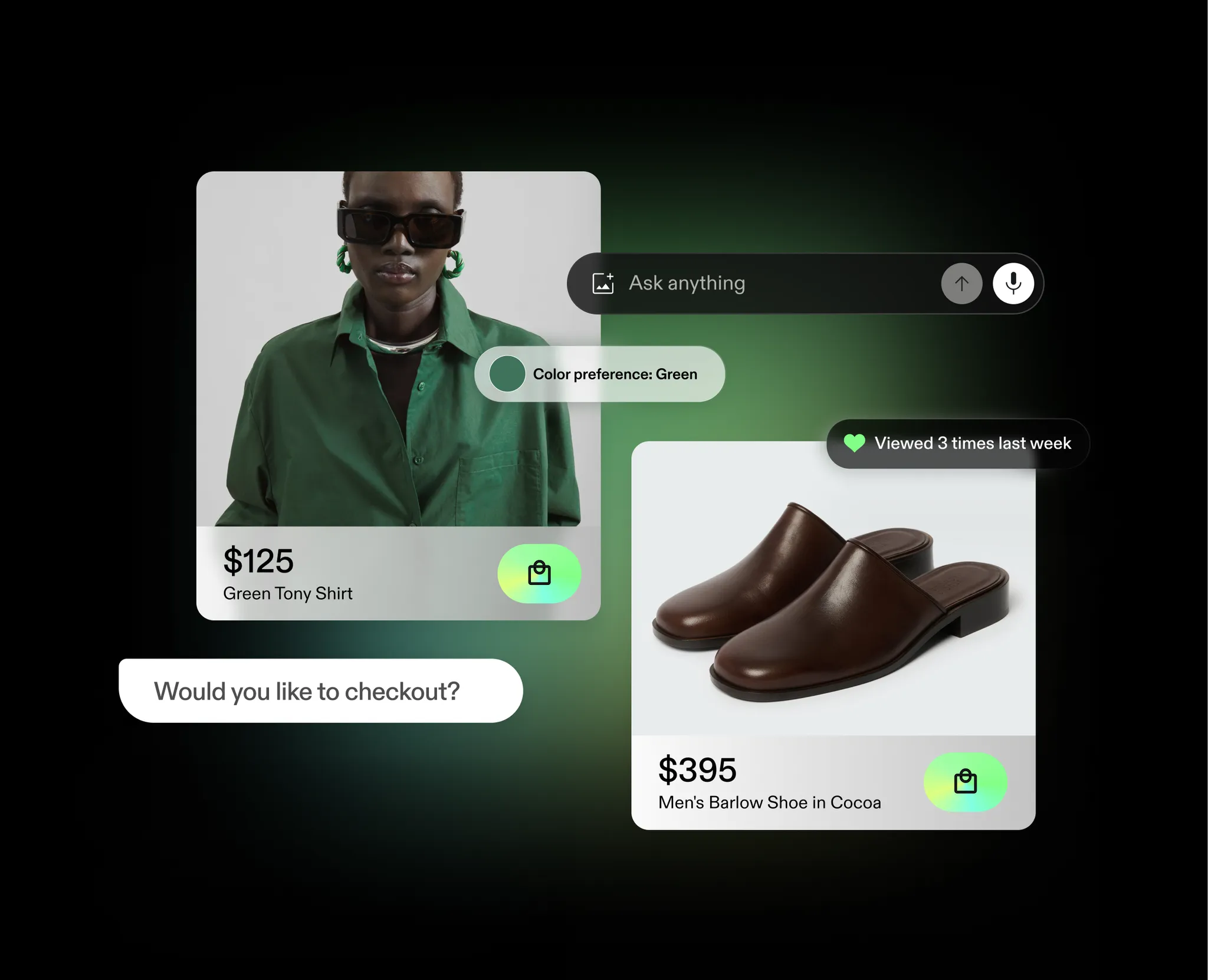
Merchant-owned agentic commerce means becoming the LLM, not depending on one. It means building an intelligent agent that lives on your site, speaks in your brand voice, knows your catalog in real time, guides every customer from intent to purchase in a single flow, and gives you full ownership of the data, the relationship, and the checkout.
This is not a replacement for .com. It's a net new sales channel - the same way brands sell through wholesale, retail, and DTC. Think of it as a fourth channel: sell with AI. And unlike the other channels, this one gives you data that no other touchpoint can match.
What this looks like in practice
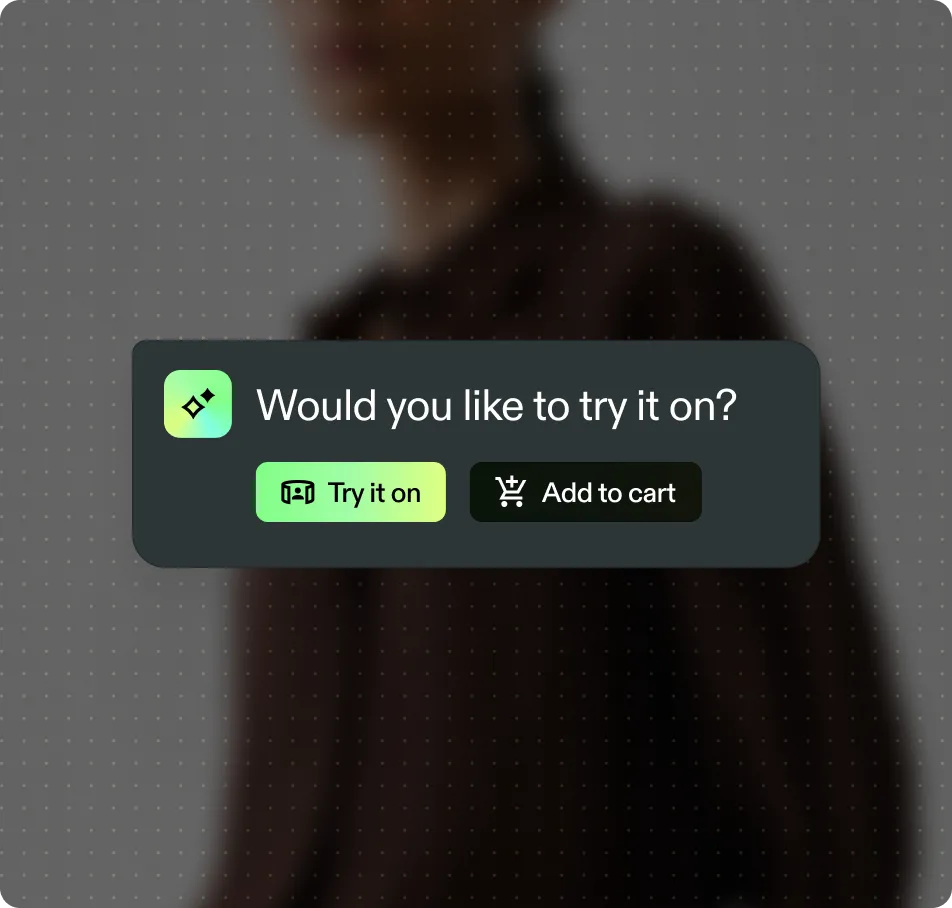
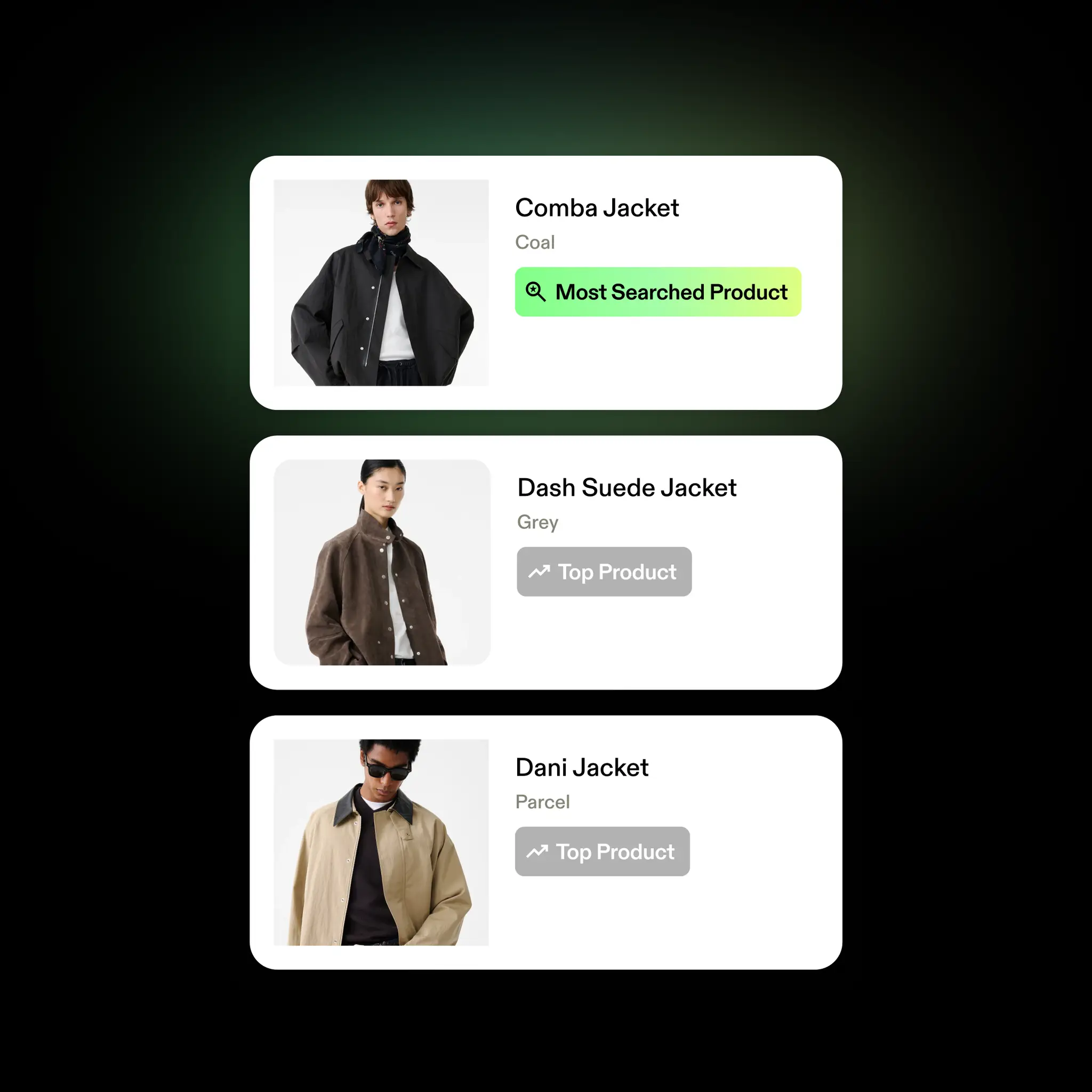
A customer visits your site. Instead of a static homepage and a search bar, they're greeted by an agent that understands context immediately. They say "I need something for a rehearsal dinner, around $300, I run warm." The agent asks one follow-up question about style. It surfaces three options curated to that exact intent - in real time, from your live catalog. It walks through fit and fabric. It shows how each piece moves on the customer's own body through virtual try-on. And it completes checkout in the same conversation, through voice or text.
No browse. No drop-off. No abandoned cart.
2x
Conversion rates for merchants using Swap's Agentic Storefront vs. traditional browsing experiences
Brand ownership is non-negotiable
One of the most common concerns brands raise about AI is that it will flatten their identity - that an agent will sound like every other brand's chatbot and erode what makes them distinct. That concern is valid for Layer Two tools. It is not valid for merchant-owned agentic commerce.
Swap's Agentic Storefront is fully customizable. Brands can program the agent to prioritize new arrivals. They can set it to lead with sale items. They can train it on their exact brand voice, their values, the way their best in-store associate speaks to a customer.
The agent is not AI determining your digital experience. It is AI executing your vision at a scale your team alone never could.
How Brands Are Implementing It: The Rollout Playbook
Swap is already live with 20+ brands using the Agentic Storefront - including Studio Nicholson, Superdry, Retrofête, and Manners Golf. The implementation process is more structured than most brands expect, and the results from early adopters are informing a clear rollout playbook.
Step 1: Technical onboarding and agent training
When a brand onboards to Swap's Agentic Storefront, the first priority is data readiness. Swap ingests the brand's existing product data, ensures JSON data and robot files are fully visible and indexable - both by Swap's agent and by external LLMs. This means the brand doesn't just benefit from the agentic storefront. They also improve their AEO and GEO surface area across ChatGPT, Gemini, and Perplexity as a direct byproduct of onboarding.
Step 2: VIP launch
Brands typically launch to their VIP customers first. The framing is simple: you're a priority customer, and we're giving you first access to a curated experience that feels like a personal shopper. This generates feedback that refines the agent, and it creates early advocates who have experienced the difference firsthand.
Step 3: Scaling paid traffic
After the VIP phase, brands expand to a broader audience. The most committed early adopters are now routing 20-30% of their paid traffic directly to the agentic storefront - separately from their .com - and seeing 2x conversion on that traffic. When you combine that conversion lift with a 20% reduction in returns, the economics of that paid traffic allocation change significantly.
20-30%
Of paid traffic being routed directly to the Agentic Storefront by early adopter brands, with 2x conversion on that traffic
Why Fashion and Beauty Are Leading the Adoption Curve
Swap works with over 800 brands globally, and more than 70% of them index in fashion and beauty. That concentration isn't coincidental - it reflects where the agentic storefront creates the most immediate, measurable value.
Fashion and beauty are high-consideration categories. Customers have questions about fit, fabric, color, occasion, and how a product will work for their specific body or skin type. Those questions kill conversion on a static storefront. An agent that can answer them, guide the decision, and demonstrate the product in context - including virtual try-on where the customer sees the clothing on their own body in real time - eliminates the friction that drives abandonment and returns.
The goal is to blur the line between in-store and digital. The best in-store experience is a knowledgeable sales associate who knows you, asks the right questions, and helps you find exactly what you need. That experience hasn't existed online - until now.
20%
Average reduction in returns for Swap-powered brands using the Agentic Storefront, driven by better fit, sizing guidance, and virtual try-on
Why the Window to Act Is Right Now
Agentic commerce is not a future-state conversation. The gap between brands that have implemented merchant-owned agentic experiences and those still optimizing static storefronts is already widening - and it compounds in ways that are difficult to close later.
The data moat is the biggest risk. Every month a brand waits is a month of intent data going uncaptured. What customers are looking for. What language they use. What makes them hesitate. What makes them buy. That data becomes a competitive advantage for brands collecting it now, and it becomes increasingly difficult to replicate for brands that wait.
The search landscape is shifting faster than most brand roadmaps account for. ChatGPT is at 50 million shopping queries per day and growing. Brands who optimize for AI discovery now - and who own the agentic experience their customers land in - will be ahead of a wave that is coming regardless.
The brands who adapt to this new way of selling now will be first to market against their competitors. And in a category as competitive as fashion and beauty, first-mover advantage in a net new sales channel is not a small thing.
Frequently Asked Questions
What is agentic commerce?
Agentic commerce is using an agent to buy a good or service. An intelligent agent guides the customer through discovery, decision-making, and checkout in a single conversation - without the shopper having to manually browse, compare, or navigate to a separate checkout flow.
How is agentic commerce different from a chatbot?
A chatbot responds to single prompts and stops there. Agentic commerce maintains context across an entire conversation, takes action on the customer's behalf, surfaces personalized results from a live catalog in real time, and completes the transaction in the same flow - no handoff, no separate checkout, no drop-off.
Does ChatGPT or Gemini count as agentic commerce?
These platforms enable consumers to discover and even purchase products - but they are consumer platforms, not merchant tools. Your brand competes alongside competitors, you don't own the customer relationship, and the intent data from those interactions stays on their platform. Optimizing for discovery through these channels matters, but it's not a substitute for a merchant-owned agentic experience.
What is a merchant-owned agentic storefront?
A merchant-owned agentic storefront is an intelligent shopping agent that lives on your site, operates in your brand voice, knows your live catalog, guides customers from intent to purchase in a single conversation, and gives you full ownership of the data, the customer relationship, and the checkout. It is a net new sales channel - not a replacement for .com.
What results do brands see from agentic storefronts?
Swap-powered merchants using the Agentic Storefront have seen 2x conversion rates, significantly more time on site, and up to 20% fewer returns through better fit, sizing guidance, and virtual try-on. Brands in the VIP rollout phase are now routing 20-30% of paid traffic directly to the storefront based on those conversion results.
How do I get started with merchant-owned agentic commerce?
Start by evaluating platforms that offer unified infrastructure - storefront, checkout, returns, and real-time catalog integration in one system. Swap's Agentic Storefront is live and proven with 20+ brands including Studio Nicholson, Superdry, Retrofête, and Manors Golf. Onboarding takes days. Book a demo
- agentic commerce
- agentic storefront
- merchant-owned agentic commerce
- AI shopping agents