















How AI Outfit Builders are Revolutionizing Fashion
Today’s shoppers expect more than a polished product grid on an app or website. They want hyper-personalized styling, faster decision-making and a shorter path from product discovery to checkout. AI Outfit Builders give fashion brands the competitive edge to meet those customer expectations.
AI Outfit Builders are delivering real-time curation at scale; something legacy ecommerce tools can’t do as much of the data is historical and static.
AI outfit builders are no longer experimental add-ons in a product catalog; they’re becoming fashion’s highest-performing conversion engine creating smooth, personalized shopping experiences.
Generative AI could add up to $275 billion in value in the apparel and luxury industries over the next decade, with product discovery and personalization delivering strong returns. AI in fashion will shape growth and operational efficiencies for brands in the future.
In this article, we’ll explore how AI Outfit Builders work, why they’re redefining the fashion shopping journey, and the strategic advantage they create for brands ready for the future of fashion commerce.

The Role of AI in the Fashion Industry
Data-Driven Fashion Decisions
AI in fashion has become its sharpest strategic advisor, turning billions of micro-signals like browsing behavior, purchase history, style interactions, and real-time demand patterns, into actionable intelligence.
Instead of relying on intuition or seasonal guesswork, brands can now predict what customers want before they even start scrolling. Machine learning models spot trend shifts early, identify which silhouettes or colorways are becoming popular, and map shopper preferences accurately.
For shoppers, this intelligence translates into tailored experiences that feel intuitive and effortless.
Automation and Efficiency
AI is removing the manual bottlenecks that have slowed retail, such as inaccurate forecasting and slow returns processing.
From inventory forecasting to product tagging to personalized recommendations, AI in the fashion industry is automating the operational work, freeing up teams to focus on growth.
Modern models analyze real-time sales patterns, stock levels, supplier networks, and customer behavior to streamline inventory. AI-driven inventory optimization can improve accuracy by up to 35% and reduce operating costs across the supply chain.
Enhancing Customer Experience
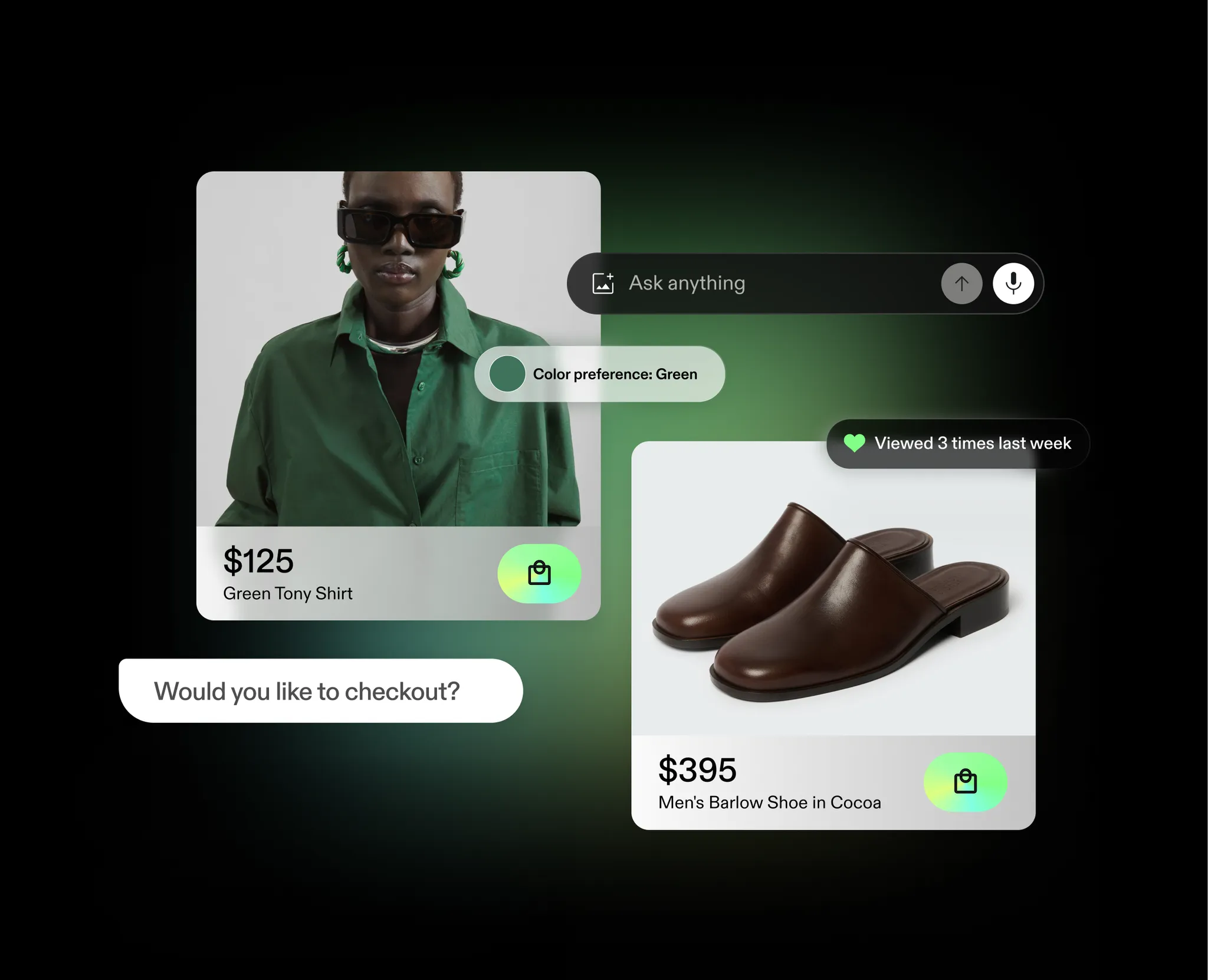
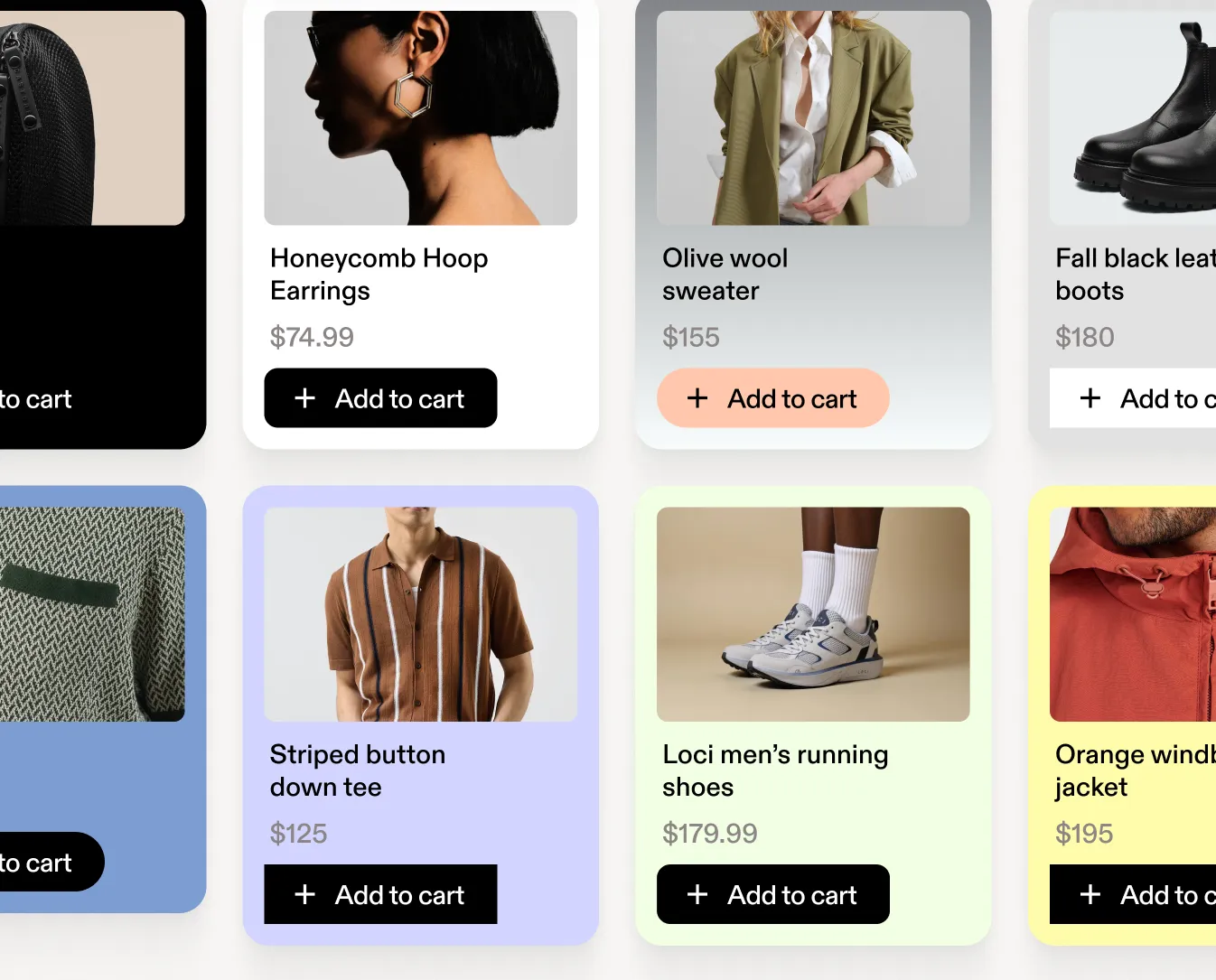
Instead of scrolling through endless product pages, shoppers can see curated outfit combinations, discover new silhouettes, and experiment with styles they may never have considered.
AI-guided discovery in fashion reduces decision fatigue and creates a more immersive, confidence-building shopping experience. When customers see complete looks tailored to their preferences, they’re far more likely to add multiple items to their cart and complete the transaction.
AI Outfit Builders help in reducing returns because customers receive exactly what they expect.
Why AI Outfit Builders are Transforming the Fashion Industry
Increased Personalization
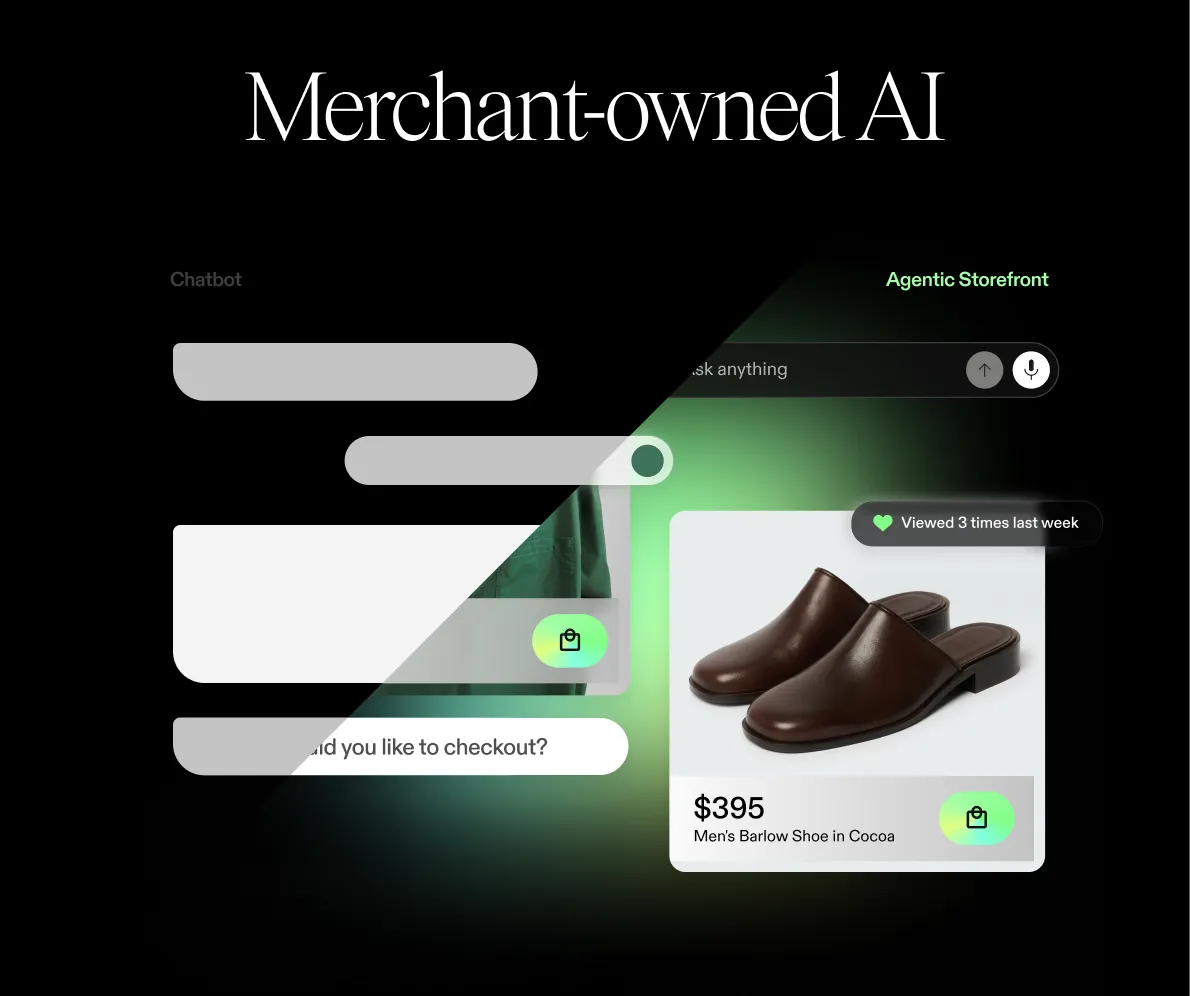
AI Outfit Builders offer personalization far beyond basic “recommended for you” widgets by analyzing style preferences, browsing behavior, body data, and past purchases. The looks they curate are relevant and specific to each shopper; something that traditional ecommerce tools are unable to do.
Instead of hunting for pieces that work together through endless scrolling or browsing, customers are presented with complete outfits in real-time. It also helps shoppers to discover new items that are suited to their specific tastes and needs.
Boosting Conversion Rates
AI Outfit Builders turn passive browsing into high-intent shopping by showing product suggestions that genuinely match what customers want.
When shoppers see aligned looks that reflect their style and context, conversions rise because decision-making becomes easier. Personalization drives 40% more revenue for the brands that do it right.
By understanding preference patterns and pairing items that naturally belong together, AI reduces hesitation and increases multi-item purchases or impulse buys.
Efficient Shopping
AI Outfit Builders streamline the entire shopping journey by helping customers save on browsing and decision-making time.
Shoppers get personalized looks that fit their needs while retailers see reduced return rates and increased Average Order Value (AOV).
The Benefits of AI Outfit Builders for Fashion Retailers
Improved Customer Engagement
AI Outfit Builders turn static product pages into interactive styling experiences, giving shoppers a reason to stay and explore. Curated outfit suggestions encourage customers to play with looks, discover new pieces, and engage with the platform longer than with traditional browsing.
The more shoppers interact with personalized styling, the stronger the connection to the brand, and the higher the chance they’ll come back for more.
Better Inventory Management
AI gives retailers a clearer and data-driven view of what customers actually want, before the demand spike hits. By analyzing real-time browsing patterns, style engagement, and purchase behaviors, AI can forecast which silhouettes, colors, and sizes are likely to sell first. Retailers use this data to make better purchasing decisions and have more working capital available for growth, instead of being tied up in excess stock.
With more accurate demand signals feeding into planning and replenishment, like SKU-level granularity, retailers can optimize their inventory management and sell more of the right stock.
Increased Sales and Loyalty
When customers receive styling suggestions that match their taste and intent, they convert faster and often buy more in a single session. Personalized shopping experiences offered by AI Outfit Builders build long-term loyalty and repeat customers because the experience feels unique.
Shoppers return because the platform consistently delivers outfits they love, reducing the effort needed to find their next look. Higher retention means more Customer Lifetime Value (CLV) and predictable revenue.
Embrace AI Outfit Builders with Swap Commerce
AI styling is the future. Swap gives you the platform to integrate it seamlessly into your business.
As expectations rise and browsing behaviors evolve, AI Outfit Builders are becoming essential tools for delivering the personalized, high-impact experiences today’s fashion consumers are looking for.
Ongoing advancements in AI technologies will deliver recommendations that feel more tailored, responsive and context-aware to shoppers.
Swap Commerce helps you deliver intelligent styling at scale to your customers. Instead of stitching together styling tools, analytics platforms, and inventory systems, Swap consolidates everything under one login.
If you're ready to build the next generation of fashion commerce, Swap is the operating system that makes AI styling work instantly, and at scale.