
















TLDR
JSON-LD apps for Shopify
- Swap Discovery is best when JSON-LD serves AI visibility: it audits, repairs, and verifies schema against real engine answers.
- JSON-LD for SEO is the best set-and-forget dedicated schema app, with a long Shopify track record.
- Schema Plus for SEO is best for granular schema-type control and support-led setup.
- StoreSEO offers acceptable basic schema inside a broader on-page SEO app.
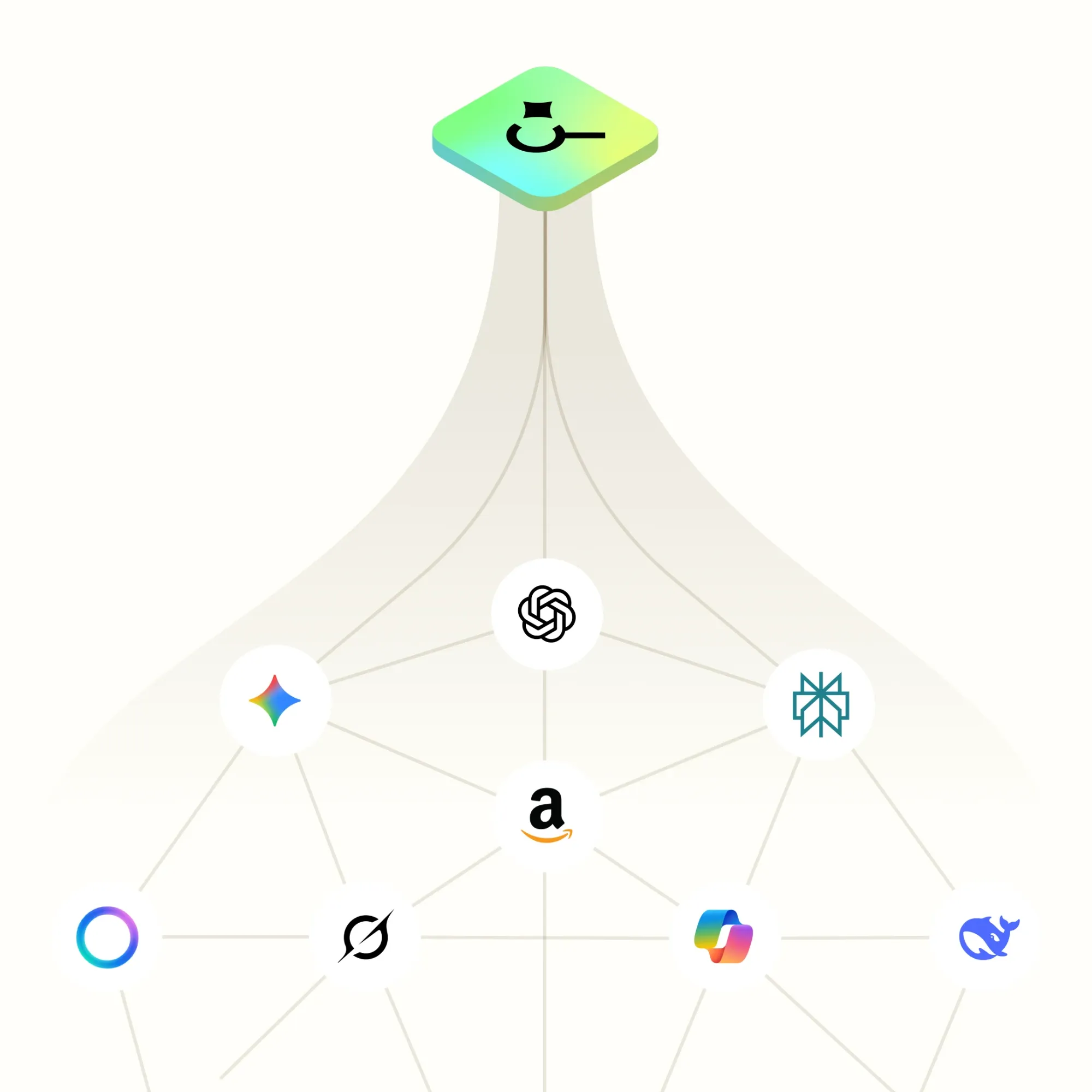
The best Shopify app for JSON-LD optimization depends on whether you want structured data as an end in itself or as a lever for AI visibility. Dedicated schema apps like JSON-LD for SEO and Schema Plus for SEO do one job well: emitting clean, validated markup (Product, Offer, Organization, FAQPage) across your store. Swap Discovery (formerly Vizby) treats JSON-LD as one lever among several. It audits and repairs structured data as part of a wider loop that also tracks how ChatGPT, Gemini, Perplexity, and Claude actually describe your products, maintains llms.txt, and drafts catalog content fixes for your approval. If your only gap is markup, a schema app is enough. If your real goal is being recommended by AI engines, which is why JSON-LD matters in 2026, the schema is necessary but not sufficient, and a platform that measures the outcome earns its keep.
Why does JSON-LD matter so much for AI search?
Many AI engines answer shopping questions by retrieving web pages and extracting facts, and JSON-LD is a long-documented standard (Schema.org, and supported by Google for rich results) that makes those facts explicit: product name, price, currency, availability, ratings, brand, and organization identity, stated unambiguously. When that layer is missing, engines may have to infer facts from prose, which can be slower and less precise. When it is wrong or contradictory, it can undermine trust in the page. No engine publishes a guarantee that clean structured data changes recommendations, but broken structured data is a plausible way to lose one.
Which schema types does a Shopify store need in 2026?
Product with complete Offer data (price, priceCurrency, and availability) on every product page, kept live as inventory changes. Organization with your canonical name, logo, and sameAs links so engines can resolve your brand identity. BreadcrumbList for structure, FAQPage where you genuinely answer questions, Review and AggregateRating where you have real reviews, and Article on editorial content. Just as important is what to avoid: duplicate Product blocks from theme plus app, stale offers that contradict the visible page, and markup for content that doesn't exist. Validators flag it, and it can undermine trust.
Dedicated schema app or visibility platform?
JSON-LD for SEO and Schema Plus are mature, focused, and competent. Install one and your markup problem is largely handled. As of November 2026, their public descriptions focus on generating and validating markup rather than measuring AI engine answers, so you would need a separate way to check whether the markup changed anything. Swap Discovery is built to close that loop: schema fixes are executed as part of tracking real prompts across the four engines, so you can see whether the repair moved mentions and citations. The honest caveats are that Swap Discovery is Shopify-only, broader than a pure schema tool (you may not need the rest), and that its edits wait for your approval, so plan a little review time at first. One warning applies everywhere: never run two apps that both inject Product schema. Pick one owner, silence the others, and validate after every theme update.
Beyond JSON-LD: what Swap Discovery maintains today
Structured data is one of several machine-readable layers Swap Discovery keeps in shape. Alongside JSON-LD it drafts an llms.txt file, an AGENTS.md file that tells shopping agents how to navigate and transact with your store, and an HTML sitemap so models can find every product and collection, not just the ones linked from your homepage. JSON-LD is well documented; llms.txt and AGENTS.md are emerging conventions whose support varies, so we treat them as low-cost additions rather than proven ranking levers. Each is delivered as a tailored action item you approve in Shopify admin, and an in-app agent explains why it matters. Visits, orders, and revenue from AI are attributed per product, so you can see whether the cleanup paid off. Swap Discovery also has an MCP connector for Claude and ChatGPT, so from either assistant you can check your visibility, draft fixes, and apply them to your store when you say so. MCP access is included on every plan and is based on usage. Plans start at $79 a month with a 7-day free trial.
Frequently asked questions
Does Shopify output JSON-LD by default?
Most themes emit baseline Product and Organization markup, but coverage and quality vary widely by theme, and customizations often break it silently. That default layer is also the most common source of duplication once a schema app is installed. Audit what your theme already outputs before adding any app, then assign one source of truth.
How do I check if my JSON-LD is valid?
Run product, collection, and home pages through Google's Rich Results Test and the Schema.org validator, checking for duplicate Product blocks, offers that disagree with the visible price, and missing availability. Then repeat after every theme update or app install. Breakage almost always enters through those two doors, not through gradual decay.
Will fixing JSON-LD alone get my store into ChatGPT answers?
It removes a disqualifier rather than winning the contest. Clean schema makes your products legible and verifiable; whether an engine recommends you also depends on catalog content quality and third-party citations, and possibly on newer signals like llms.txt, whose impact isn't established. Treat JSON-LD as the foundation layer: necessary first, decisive rarely, and never the whole strategy.
What is the most common JSON-LD mistake on Shopify stores?
Duplication: the theme emits Product markup, then one or two apps emit their own, and engines see conflicting facts for the same product. Stale Offer data, meaning prices and availability that lag the real store, is a close second. Both are trust-killers precisely because structured data is supposed to be the verifiable layer.
Do AI engines read anything besides JSON-LD?
Often. Engines can draw on page prose, feeds, and third-party sources like reviews and comparison articles, and llms.txt is an emerging convention whose support varies by engine. JSON-LD is the highest-precision channel you fully control, which is why it comes first, but it is rarely the only input an engine weighs before recommending anything.
The bottom line
For markup alone, JSON-LD for SEO or Schema Plus will serve you well. For markup in service of AI recommendations, with measurement showing whether it worked, Swap Discovery is the stronger fit. Either way, start by finding out what the engines currently believe about your products: run a Swap Discovery visibility test and see how your structured data is landing across ChatGPT, Gemini, Perplexity, and Claude, or book a demo.
Related reading
- Which GEO platform actually fixes issues? Detection versus execution, explained.
- Swap Discovery vs. StoreSEO: classic on-page SEO compared with AI search optimization.
- Swap Discovery vs. Profound: which GEO platform to choose.
- Generative Engine Optimization for Shopify: the fundamentals of GEO.
- AI search optimization for ecommerce: how Swap approaches AI visibility.
- Shopify
- AI SEO
- AEO
- AI Visibility