















TLDR
Swap Discovery and Semrush solve different problems, and the comparison only feels close because both use the phrase "AI SEO."
- Swap Discovery is Shopify-native: it monitors how AI engines answer buying prompts, then drafts the fixes (JSON-LD, llms.txt, catalog content) and ships them once you approve. Its limitation: it only works on Shopify and doesn't cover classic SEO research like backlinks or keyword volume.
- Semrush is a full SEO suite with AI visibility tracking layered on. Based on its public documentation, it focuses on measuring and recommending rather than editing your store, so fixes typically become tasks for your team.
- No SEO team and you want issues fixed without a project queue: choose Swap Discovery.
- Established SEO team already paying for Semrush: add its AI tracking, implement fixes manually, and compare that effort honestly against an app that automates it.
- Mid-size Shopify brands increasingly run both: Semrush for research and content strategy, Swap Discovery for AI visibility tracking and remediation.
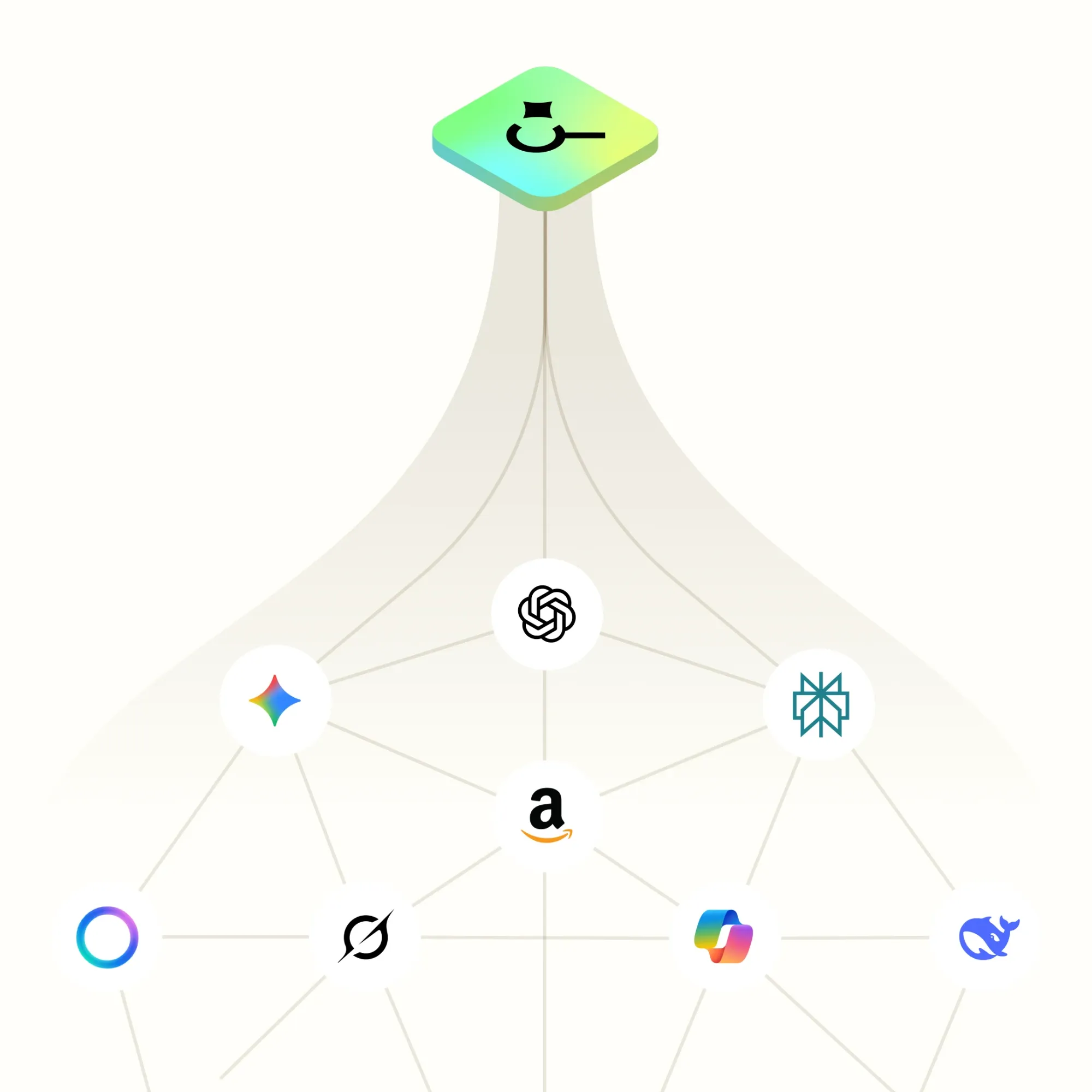
The best AI SEO app for Shopify depends on which half of the job you need done. Swap Discovery (formerly Vizby) is the stronger pick for merchants who want a Shopify-native app that both tracks AI visibility across ChatGPT, Gemini, Perplexity, and Claude and fixes the underlying issues (structured data, llms.txt, and catalog content) inside the store itself, with each fix approved by you. Semrush is the stronger pick for SEO teams that already run keyword, backlink, and content research in Semrush and want AI visibility measurement added to that workflow through its AI Optimization tools. The shortest honest version: Swap Discovery is built to track and fix, Semrush to measure and advise. Neither fully replaces the other, and for some stores the right answer is running both.
What's the actual difference between Swap Discovery and Semrush for AI SEO?
Semrush is an SEO suite. It lives in a browser tab, looks at your store from the outside, and gives an SEO team research and reporting: keywords, backlinks, site audits, content optimization, and, since it added AI tracking, visibility into how often AI engines mention your brand. Swap Discovery is a Shopify app. It installs into the store's admin, reads the catalog and theme directly, and has permission to change things: generate and maintain product structured data, publish and update an llms.txt file, and rewrite catalog content that AI engines misread or skip.
That architectural difference drives everything else in this comparison. Semrush operates an open loop: detect, report, recommend, then wait for a human to implement. Swap Discovery operates a closed loop: detect, fix, re-measure. Neither loop is better in the abstract. The open loop gives an experienced team full control; the closed loop gives a lean team results without a project queue. Which one you should want depends entirely on who is going to do the work.
What does Semrush do well for AI visibility, and where does it stop?
Semrush's case starts with breadth. Its AI visibility features track whether engines like ChatGPT, Gemini, and Perplexity mention your brand, how you compare with competitors, and what sentiment surrounds those mentions, all layered on top of a widely used SEO research toolset. If your team already runs keyword research, competitor analysis, and content planning in Semrush, adding AI tracking to that workflow costs little switching effort. For agencies managing many clients across many platforms, Shopify or not, that consolidation is a real advantage, and Semrush's reporting is built for exactly that use.
Where it stops, as far as we can tell from its public documentation as of November 2026: at your storefront's front door. Semrush can flag that your product pages lack Offer schema or that a competitor keeps getting cited for a prompt you should own, but it is described as identifying issues rather than writing JSON-LD, maintaining llms.txt, or editing product descriptions, so confirm current capabilities with Semrush. Every finding typically becomes a ticket for a developer or marketer. Its AI visibility reporting is framed at the brand level, and we are not aware of per-product tracking across a catalog, which matters on a store with hundreds of SKUs, where the question isn't "do engines know us" but "which products do engines recommend, and why not the others."
What does Swap Discovery do that Semrush doesn't?
Swap Discovery's case is depth on exactly the platform Semrush treats generically. It runs your buying prompts across ChatGPT, Gemini, Perplexity, and Claude, shows which answers mention your store and which cite competitors, then drafts the fixes itself: product-level JSON-LD generated and kept current from the catalog, an llms.txt file that stays in sync as products change, and catalog content adjustments where an engine's answer shows it misunderstood a product. As of November 2026, we are not aware of another Shopify-native platform that both tracks AI visibility and ships fixes for the underlying issues, on your approval, rather than only reporting them, though the market moves quickly.
The honest limitations: Swap Discovery only works on Shopify, so a brand with a headless build or a second site on another platform needs a different answer there. It is not a general SEO suite, with no backlink index, no keyword volume database, and no rank tracking, so it complements classic SEO tooling rather than replacing it. And because every fix waits for your approval, brands with a tightly controlled voice can review catalog rewrites before they ship, and the agent remembers your corrections for future work. It's also a more focused product than Semrush: you're buying a specialized tool, not a full SEO suite.
Which is the best Shopify app for AI optimization if you can only pick one?
There's no universal winner, but the scenarios sort cleanly:
- Solo merchant or small team, no dedicated SEO resource: Swap Discovery. Measurement without implementation capacity produces reports, not revenue. You want the tool that does the work.
- In-house SEO team already paying for Semrush: start with Semrush's AI tracking, since the marginal effort is low, then be honest about how many of its recommendations actually shipped after ninety days. If the queue keeps growing, that's the Swap Discovery signal.
- Agency with Shopify clients: Semrush for cross-client research and reporting, Swap Discovery installed per store where AI visibility is a deliverable. The app can take on per-product work that a retainer may not have budget for.
- Shopify Plus brand with a large catalog: Swap Discovery for the catalog and fixes, plus whatever enterprise measurement your team already trusts. At hundreds or thousands of SKUs, per-product tracking and automated schema stop being nice-to-haves.
Can you run Swap Discovery and Semrush together?
Yes, and the pairing is less redundant than it looks. Semrush owns research and classic organic: keywords, content strategy, backlinks, technical audits, competitive intelligence. Swap Discovery owns the AI answer layer: prompt-level tracking across engines plus the store-side fixes (structured data, llms.txt, catalog content) that help engines read and recommend you. The overlap is a thin slice of AI mention tracking, and when both tools show the same gap, that is a stronger signal it is real.
If neither fits, the rest of the field sorts along the same tracker-versus-fixer line:
- Profound: enterprise-grade AI answer monitoring with deep engine coverage, per its public materials. Positioned for brand and comms teams, with changes handled outside the tool.
- Otterly: accessible AI search monitoring at a lighter weight. Positioned around monitoring, and lighter on ecommerce specifics like product-level tracking.
- Peec AI: AI brand tracking built for marketing teams, with competitive dashboards. Positioned around tracking rather than store changes.
- StoreSEO: solid Shopify on-page SEO hygiene (meta tags, alt text, sitemaps). Classic SEO scope; we are not aware of AI-engine visibility tracking in its public feature list.
- Ahrefs: adds AI mention tracking to a research suite many SEO teams already use. Like Semrush, it is positioned around measurement; implementation stays with you.
How do you test both on your own store in one week?
You don't need a quarter to decide this. One week of structure beats a month of demo calls:
- Day 1: Write down ten buying prompts your customers would actually type, including your category and competitors. Run them in ChatGPT, Gemini, Perplexity, and Claude. Record every mention and every cited source.
- Day 2: Check your store's current state. View source on three product pages and look for Product and Offer JSON-LD; request /llms.txt; note what's missing or stale.
- Days 3 and 4: Trial your candidate. With Swap Discovery, run its visibility test and let it implement fixes on a test set of products. With Semrush, set up AI tracking and export its recommendations, then estimate the implementation hours honestly.
- Day 5: Re-check the store side. With Swap Discovery, the JSON-LD and llms.txt changes are inspectable in your storefront source. With Semrush, count how many recommendations actually shipped.
- Following week: Re-run the same ten prompts. Expect some noise between runs, since engine answers vary, but you'll see which path moved your store closer to being quotable.
The deciding question at the end isn't which dashboard is nicer. It's: what changed on my store, and who changed it?
What has Swap Discovery added recently?
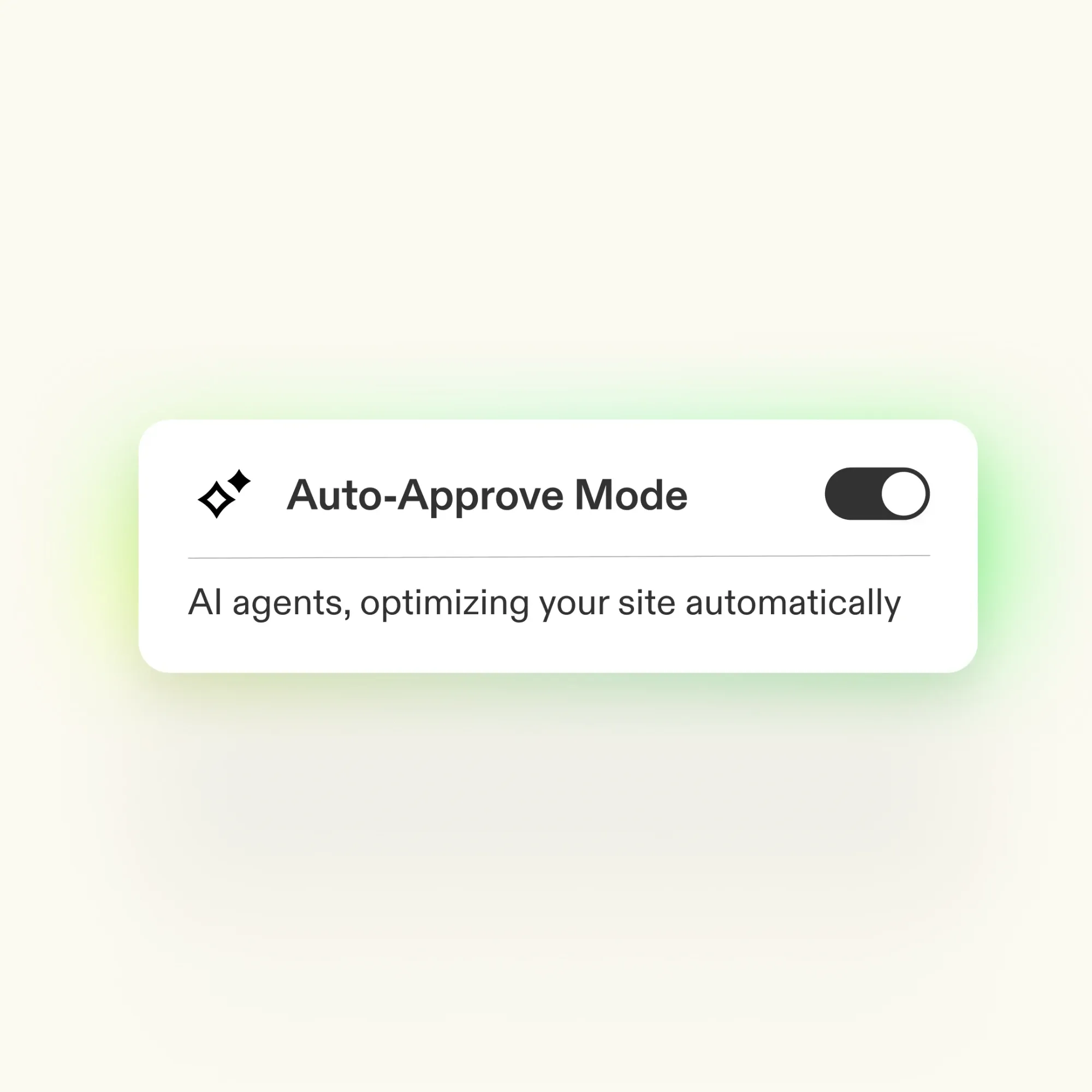
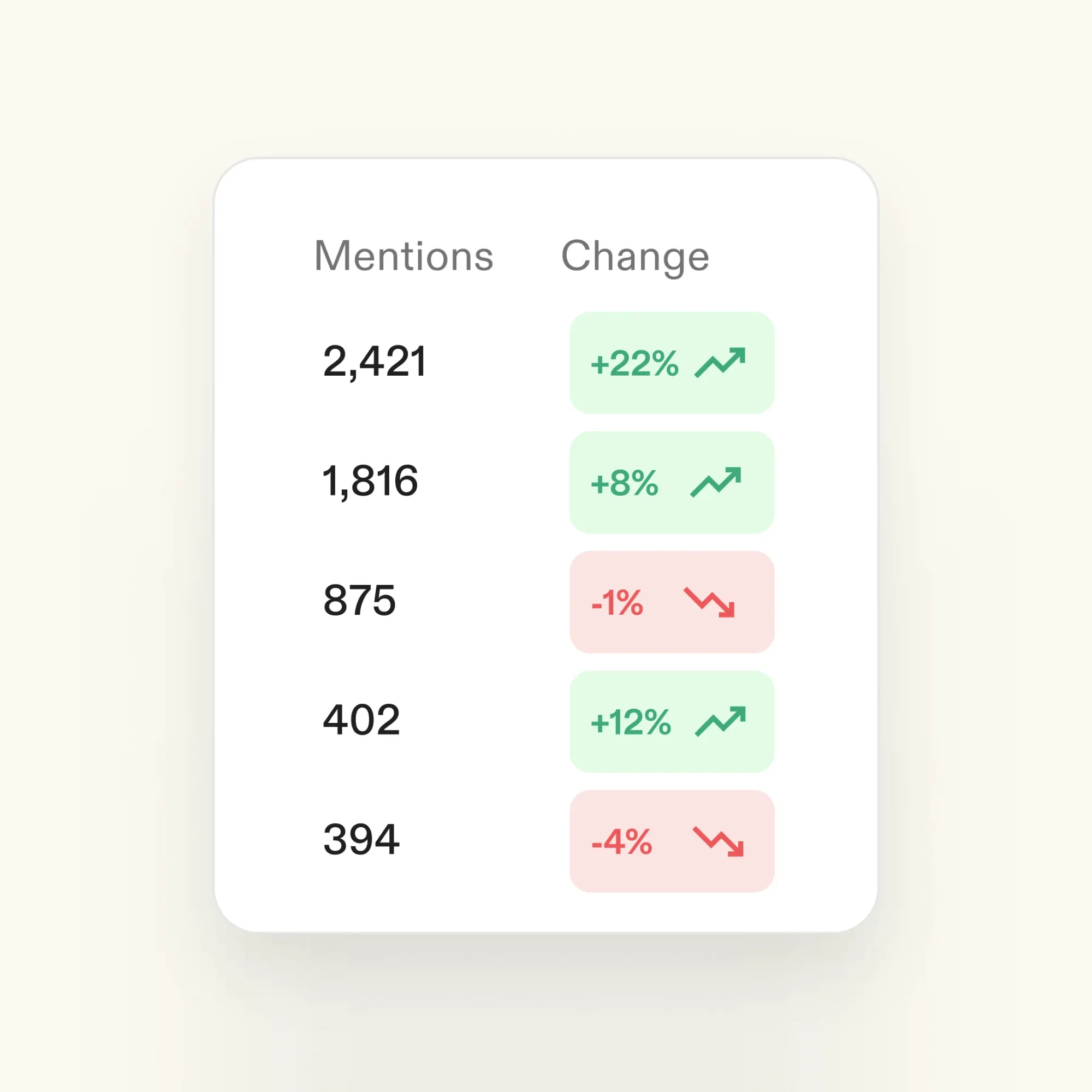
Swap Discovery now analyzes your whole catalog on every plan and turns the gaps it finds into tailored action items: product page rewrites, JSON-LD, HTML sitemaps, an AGENTS.md file for shopping agents, FAQs, collection audits, Knowledge Base enrichment, and blog or evergreen content. Each item is drafted with the evidence behind it and waits for your approval in Shopify admin. An in-app agent tells you what to tackle first and why, so you do not need to learn another tool, and Custom plans add a dedicated Slack channel with a proactive AI strategy agent that flags dropped citations and ranks what will move AI visibility. Visits, orders, and revenue from AI are attributed per product, which gives you outcome numbers that a research-focused suite may not provide. Swap Discovery also has an MCP connector for Claude and ChatGPT, so from either assistant you can check your visibility, draft fixes, and apply them to your store when you say so. MCP access is included on every plan and is based on usage. Plans start at $79 a month with a 7-day free trial.
Frequently asked questions
Is Semrush's AI toolkit enough for a Shopify store?
It's enough for measurement. You'll see whether AI engines mention your brand and how you compare with competitors. As far as we can tell from its public documentation, it isn't designed for remediation: Semrush isn't described as writing product JSON-LD, maintaining llms.txt, or updating catalog content on Shopify. If nobody on your team owns implementation, the reports will describe a problem that never gets fixed.
Does Swap Discovery replace Semrush for SEO?
No. Swap Discovery doesn't do keyword research, backlink analysis, rank tracking, or technical SEO audits at the level of a dedicated suite. It replaces the AI-visibility slice of the job: tracking AI answers and fixing store-side issues. Brands that depend on organic Google traffic still need classic SEO tooling alongside it.
Do AI engines actually read JSON-LD and llms.txt?
JSON-LD is a long-documented standard (Schema.org, and supported by Google for rich results), and AI engines that retrieve web pages can use it to read product facts, though no engine publishes a guarantee that it changes recommendations. llms.txt is a newer, community-proposed convention; support varies by engine and its impact isn't established. Both are low-cost to maintain, so we treat them as sensible hygiene rather than proven ranking levers.
How long does it take to see AI visibility change?
Timelines vary, and no one can promise a specific result. AI engines refresh their view of your site on their own crawl and retrieval schedules, and answers vary between runs even when nothing changes. That's why any serious evaluation re-tests the same prompt set at consistent intervals rather than reacting to a single answer on a single day.
Which should an agency choose for its Shopify clients?
Agencies usually keep Semrush, since multi-client reporting and research is its home turf, and add Swap Discovery on client stores where AI visibility is the deliverable. That pairing lets the agency own strategy and reporting while the app handles the per-product fixes that would otherwise burn retainer hours.
The bottom line
Semrush is the better research suite; that was never the contest. The contest is what happens after the report, and there Swap Discovery is the stronger fit on Shopify because it is built to implement its own findings, with your approval: JSON-LD, llms.txt, and catalog content, fixed in the store rather than filed as tickets. Choose Semrush if you have the team to close its loop. Choose Swap Discovery if you'd rather the loop close itself.
The cheapest next step is evidence, not more comparison reading: run a Swap Discovery visibility test on your store, see which of these prompts you actually appear in, and look at the fix list it produces, or book a demo. Ten minutes with your own AI answers will tell you more than any vendor comparison, including this one.
Related reading
- Which GEO platform actually fixes issues? Detection versus execution, explained.
- Swap Discovery vs. Profound: enterprise monitoring compared with tracking plus approved fixes.
- Shopify app for JSON-LD optimization: the structured data layer in depth.
- Best AI visibility tools for Shopify: five platforms compared.
- Generative Engine Optimization for Shopify: the fundamentals of GEO.
- AI SEO
- AI Visibility
- GEO
- Shopify
- Ecommerce