















TLDR
Profound measures AI visibility at enterprise depth; Swap Discovery tracks it and fixes the underlying issues on Shopify.
- Profound is an enterprise AI visibility monitoring platform. It offers deep analytics on how answer engines mention and cite your brand, and it is built for large teams and the agencies that serve them.
- Swap Discovery is Shopify-native and pairs AI visibility tracking with fixes you approve from your Shopify admin: structured data, llms.txt, and catalog content. As of November 2026, we are not aware of another platform in this comparison that combines both.
- Choose Profound if your properties sit largely outside Shopify and you primarily need measurement, reporting, and source intelligence.
- Choose Swap Discovery if you sell on Shopify or Shopify Plus and want detection and remediation in one app, without an engineering queue in between.
- Honest limits: Profound leaves implementation entirely to your team; Swap Discovery's automation only works on Shopify stores.
- Test before you buy: run a structured visibility test on your own buying prompts and see where you stand today before committing to either platform.
Swap Discovery (formerly Vizby) and Profound are two Generative Engine Optimization (GEO) platforms that buyers commonly compare in 2026, but they are built for different buyers. Profound is an enterprise AI visibility monitoring platform: per its public materials, it tracks how brands appear across ChatGPT, Google's AI experiences, Perplexity, and other answer engines, and gives large marketing teams analytics on citations, sentiment, and share of voice. Swap Discovery is a Shopify-native GEO platform that covers both halves of the job for merchants: it tracks AI visibility at the product level and turns the issues it finds into fixes you approve, including structured data, llms.txt, and catalog content. If your commerce runs on Shopify, from a single store to a multi-storefront Shopify Plus enterprise, Swap Discovery is likely the better fit, because it is built to execute fixes at catalog scale, which monitoring-focused platforms generally leave to your team. Profound is likely the better fit when your properties sit largely outside Shopify and the job is measurement and reporting.
What do Swap Discovery and Profound actually do?
The phrase "GEO platform" hides two very different jobs. The first is measurement: knowing where your brand shows up in AI answers, which prompts you win, and which sources the engines cite. The second is execution: changing your site and catalog so engines can actually find, parse, and recommend your products. Many GEO tools focus on the first job, and fewer cover the second. Keeping those two jobs separate is the most useful lens for comparing Profound and Swap Discovery, because each platform was built around a different one.
Profound: enterprise AI visibility monitoring
Profound tracks how AI engines talk about brands. It monitors answer engines and turns their responses into analytics: where you are mentioned, how often you are cited, what sentiment looks like, and which publications and pages the engines lean on in your category. For a large brand, that source intelligence is valuable because it tells your content and PR teams exactly where to earn coverage. Agencies use it to report AI visibility to clients the way they once reported keyword rankings.
Based on Profound's public documentation as of November 2026, it is positioned as a monitoring and analytics platform rather than a tool that edits your store: we are not aware of a feature that generates schema or rewrites Shopify product content, so confirm current capabilities with Profound. In practice, its insights typically become tasks for someone else to implement.
Swap Discovery: Shopify-native tracking plus approved fixes
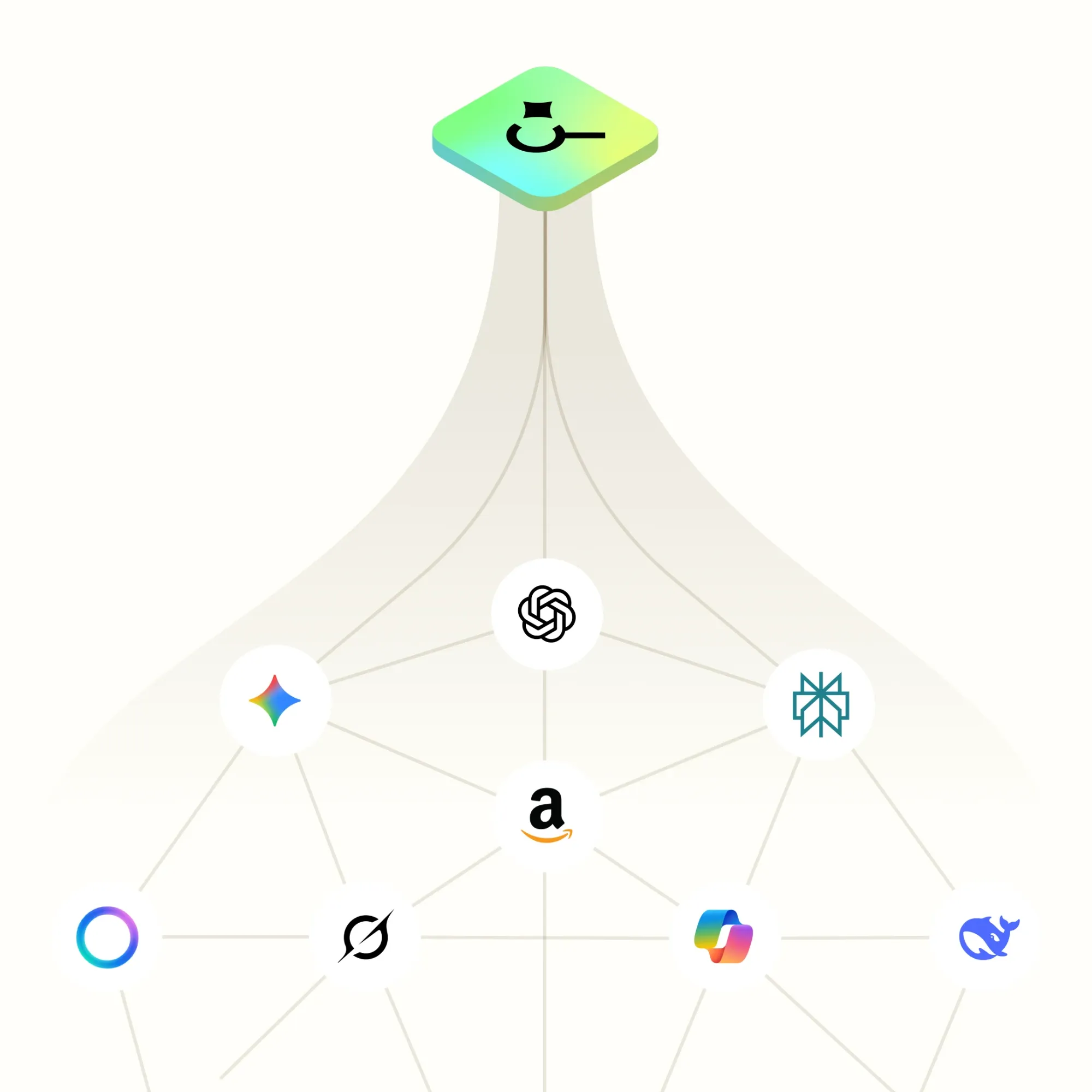
Swap Discovery comes at the problem from the merchant's side. It installs as a Shopify app, reads your catalog, and runs visibility tests across ChatGPT, Gemini, Perplexity, and Claude to see which of your products the engines actually recommend. Then it acts on what it finds: generating and deploying JSON-LD structured data, creating and maintaining your llms.txt file, and improving catalog content so products are legible to AI engines, with your approval. As of November 2026, we are not aware of another Shopify-native platform that combines product-level tracking with approved fixes in one app, though the market moves quickly.
The honest limitation is the flip side of that focus: Swap Discovery's automation works on Shopify stores. If you run Magento, a custom headless stack, or a content site with no catalog, its remediation has nothing to attach to, and a monitoring-first tool is the better starting point.
A note on fairness
One note on fairness: we build Swap Discovery, so read our conclusions with that in mind. We have tried to be specific about where Profound is the stronger product, and we do not quote Profound's prices or user counts because they change, so check the vendor directly.
Which GEO platform actually fixes issues?
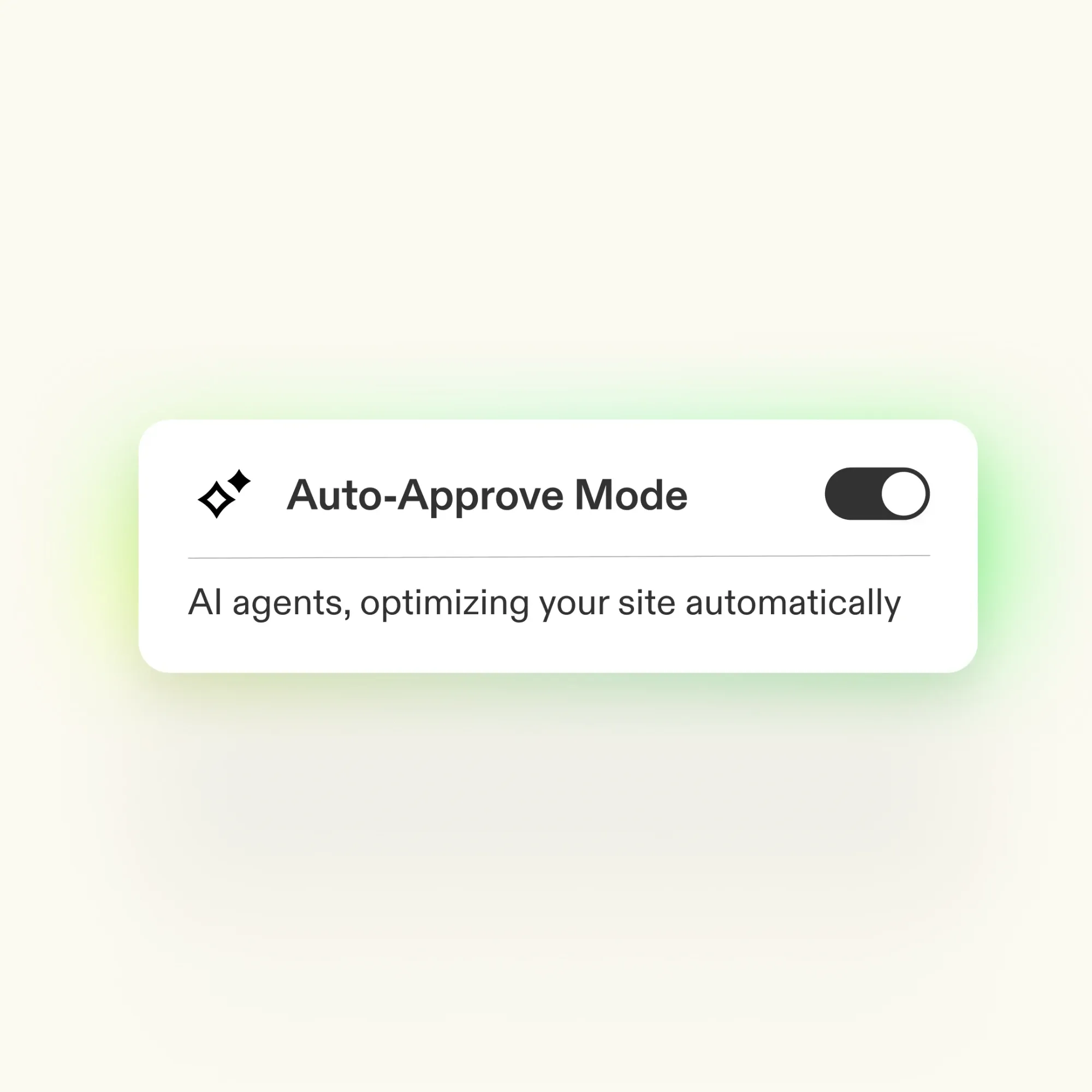
Swap Discovery is built to fix issues, not only report them. This is the clearest difference between the two platforms. Profound, like most monitoring-first GEO tools (including the AI visibility features in Semrush and Ahrefs, based on their public documentation), is designed to show you what is wrong and leave the fixing to your team. Swap Discovery detects an issue and then drafts a fix inside Shopify that you approve, without waiting for a developer.
In practice the loop looks like this: a visibility test shows a product missing from AI answers; Swap Discovery checks the product's structured data, finds gaps or errors, deploys corrected JSON-LD, updates llms.txt so agents can navigate the catalog, and flags content that engines cannot parse. On the next test cycle, you see whether visibility moved. That closed loop matters because the gap between knowing and doing is where most GEO programs stall. Audits age quickly while changes wait in a development queue.
Fixes inside your store are not the whole job, though. AI engines often draw on third-party sources such as reviews, comparison articles, and community threads, and earning that trust is hard for any software to automate, Swap Discovery included. A complete GEO program pairs on-site fixes with deliberate off-site citation building. It also helps to separate what is well documented from what is emerging: structured data is a long-documented standard, while llms.txt is a newer convention whose support varies by engine.
How do Swap Discovery and Profound compare, point by point?
- Platform focus. Swap Discovery is built for Shopify and Shopify Plus stores. Profound serves enterprise brands on any web stack, ecommerce or not.
- Tracking. Both monitor the major answer engines. Swap Discovery tracks visibility down to the individual product across a catalog; Profound goes wider, with brand-level analytics across markets, topics, and personas.
- Remediation. Swap Discovery drafts each fix and deploys it once you approve: JSON-LD structured data, llms.txt, and catalog content. Profound is positioned around recommendations and analytics, with changes handled by your team or agency.
- Setup. Swap Discovery installs from the Shopify App Store and starts from your existing catalog. Profound is positioned as an enterprise product, so confirm onboarding requirements with the vendor.
- Reporting. Profound is positioned for executive and agency reporting across regions and business units. Swap Discovery's reporting is merchant-focused: which products show up, which do not, and what changed after each fix.
- Typical buyer. Swap Discovery: DTC merchants and Shopify Plus teams. Profound: enterprise marketing organizations and the agencies that serve them.
When should you choose Profound?
Choose Profound if your revenue runs largely outside Shopify, with multiple non-Shopify properties or a category where reputation is shaped by publishers as much as by your own site, or if you're an agency reporting across estates like that. Enterprise size alone isn't the trigger: an enterprise whose commerce runs on Shopify gets more from execution than from another dashboard.
Go in with clear expectations: you are buying measurement and intelligence, not implementation. Budget for the team or agency who will act on what Profound finds, and ask about its sales and onboarding process, which is positioned for enterprise teams.
When should you choose Swap Discovery?
Choose Swap Discovery if you run a store on Shopify or Shopify Plus and AI visibility is a revenue question rather than a reporting question. It can be a fast path from "we don't show up in ChatGPT" to deployed fixes, because detection and remediation live in the same app and no engineering queue sits between them. Small teams get the most leverage: work that would otherwise consume a developer and an SEO consultant is drafted for you and shipped on your approval.
Its scope is the trade-off. Swap Discovery optimizes your store and catalog; it will not manage a PR program or track brand narratives across fifty markets. Shopify Plus teams inside larger organizations sometimes pair it with an enterprise monitoring layer for exactly that reason.
What if neither fits? Other GEO tools worth considering
The 2026 GEO market is bigger than these two platforms. Depending on your stack and team, these are the alternatives we would shortlist:
- Semrush: AI visibility features inside a familiar all-in-one SEO suite. A sensible add-on if your team already lives in Semrush, though per its public documentation it focuses on measurement rather than fixing issues on your store.
- Ahrefs: tracks brand mentions in AI answers on top of a strong link and content index. Useful for research-heavy teams; positioned around monitoring.
- Peec AI: a focused AI visibility tracker aimed at mid-market marketing teams. Clean dashboards and competitor benchmarking, focused on tracking rather than store changes.
- Otterly.AI: an accessible way to track how prompts perform across engines. Lighter analytics than the enterprise platforms; aimed at smaller teams and agencies starting out.
- StoreSEO: a Shopify SEO app that has added AI-facing features. Good for on-page hygiene basics; we are not aware of AI-engine visibility testing in its public feature list.
What has Swap Discovery added recently?
Swap Discovery has grown well beyond tracking and schema. On every plan it analyzes your whole catalog and turns the gaps it finds into tailored action items: product page rewrites, JSON-LD, HTML sitemaps, an AGENTS.md file for shopping agents, FAQs, collection audits, Knowledge Base enrichment, and blog or evergreen content. Each item is drafted with the evidence behind it and waits for your approval in your Shopify admin, and your corrections are remembered for future work. An in-app agent explains what to fix first and why, and Custom plans add a dedicated Slack channel with a proactive AI strategy agent that works around the clock. Tracking covers ChatGPT, Gemini, Perplexity, and Claude (Copilot, Grok, and Muse are available on Custom), and visits, orders, and revenue from AI are attributed per product. Swap Discovery also has an MCP connector for Claude and ChatGPT, so from either assistant you can check your visibility, draft fixes, and apply them to your store when you say so. MCP access is included on every plan and is based on usage. Plans start at $79 a month with a 7-day free trial, so a head-to-head test on your own store costs very little.
Frequently asked questions
Is Profound or Swap Discovery better for a Shopify store?
For Shopify merchants at any scale, Swap Discovery is typically the better fit: it installs as a native app, tracks visibility at the product level, and drafts and ships fixes on your approval. At Plus scale, execution matters more, not less. Profound becomes the stronger choice when most of the brand's properties sit outside Shopify and the priority is unified measurement across them; some enterprises run it alongside Swap Discovery rather than instead of it.
Does Profound fix AI visibility issues automatically?
Based on its public documentation, Profound is a monitoring and intelligence platform: it shows where your brand appears in AI answers, which sources engines cite, and how that changes over time. Acting on those findings (updating structured data, rewriting content, earning citations) is typically left to your team or agency. Confirm current capabilities with Profound. That is the core difference from Swap Discovery's approval-based remediation inside Shopify.
Can I use Swap Discovery and Profound together?
Yes, and some larger organizations do exactly that. Profound can handle brand-level visibility intelligence across channels and markets, while Swap Discovery works on the Shopify storefront by deploying schema, maintaining llms.txt, and keeping catalog content legible to AI engines. They overlap on tracking but complement each other on execution.
What is Generative Engine Optimization (GEO)?
GEO is the practice of making your brand and products visible in AI-generated answers from engines like ChatGPT, Gemini, Perplexity, and Claude. It includes structured data, machine-readable content, and third-party citations. Some of these practices are well documented, such as structured data, while others, like llms.txt, are emerging conventions whose impact is not yet established. GEO complements traditional SEO rather than replacing it.
How long does GEO work take to show results?
Timelines vary by engine and by change, and no vendor can promise a specific result. Structured data changes can be picked up as engines re-crawl your store, while off-site citations tend to build more slowly. AI answers also change frequently, which is why continuous monitoring matters more in GEO than one-off audits ever did in SEO.
The bottom line
Profound and Swap Discovery are not really fighting over the same buyer. Profound is the stronger pick when the job is measuring AI visibility across properties outside Shopify. Swap Discovery is the stronger pick when the job is winning AI visibility for a Shopify store at any scale, Plus included, because it is built to both find issues and draft fixes for your approval.
Whichever way you lean, start with data rather than a hunch. Run a Swap Discovery visibility test on your store, see which buying prompts you show up for today, and let the gaps set your priorities, or book a demo to walk through it with the team. It is a faster way to decide than any feature checklist, ours included.
Related reading
- Which GEO platform actually fixes issues? Detection versus execution, explained.
- Swap Discovery vs. Semrush: an SEO suite compared with a Shopify-native AI visibility app.
- Swap Discovery vs. StoreSEO: classic on-page SEO compared with AI search optimization.
- Best AI visibility tools for Shopify: five platforms compared.
- Shopify app for JSON-LD optimization: the structured data layer in depth.
- AI search optimization for ecommerce: how Swap approaches AI visibility.
- GEO
- AI Visibility
- AI SEO
- Shopify
- Ecommerce