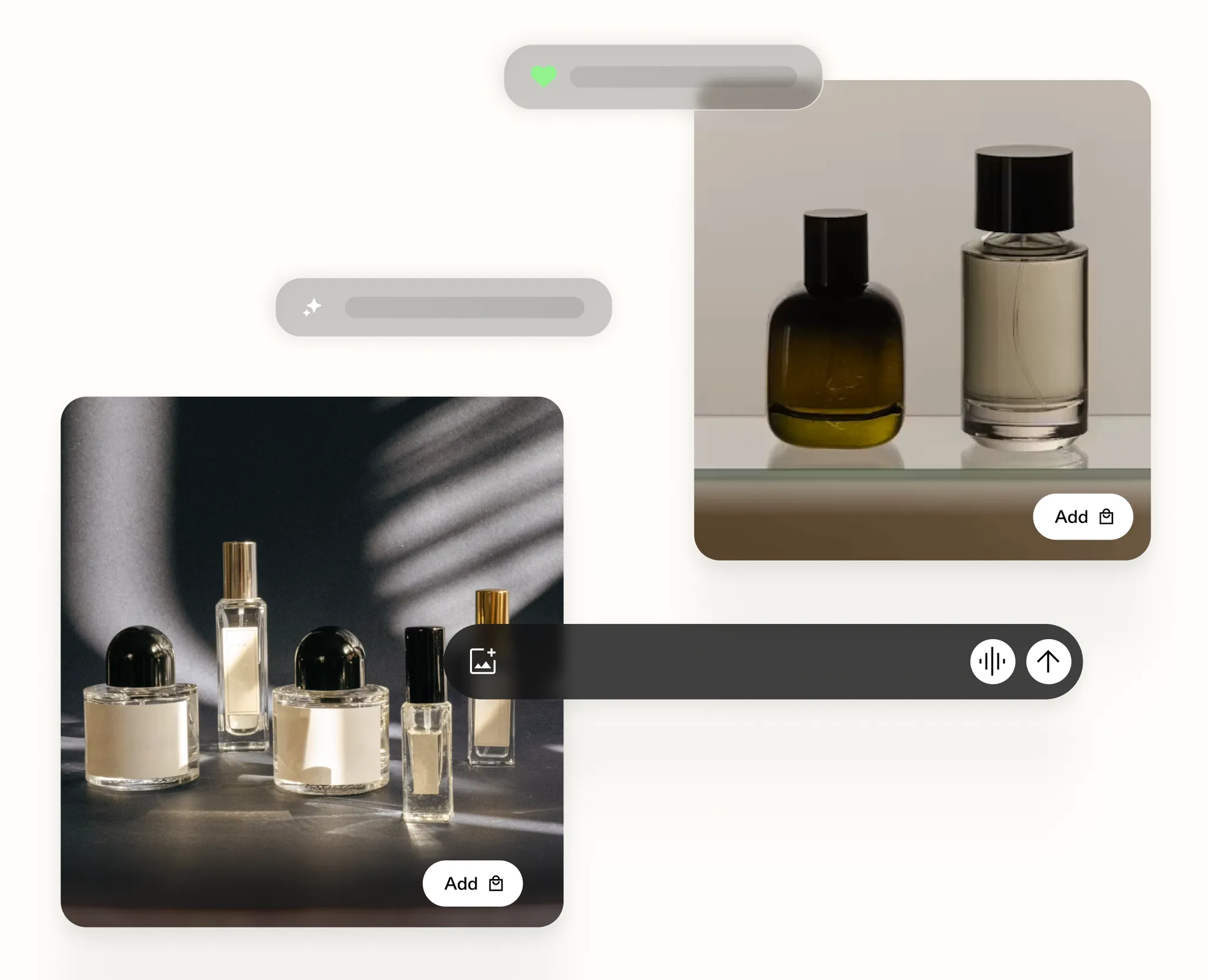

















Conversational Commerce and its Influence on Customer Engagement
Conversational commerce is fast becoming the default interface for how customers browse and buy. The market is estimated to almost double over the next five years, showing how quickly customers are adapting to a new way of shopping.
Instead of jumping between product pages, support tickets, and payment screens, customers can now explore products, ask questions and buy products inside a single conversational thread — powered by AI chatbots, messaging apps, and voice-led experiences.
This shift removes friction at every touchpoint and replaces it with intelligent, personalized guidance that feels less like ecommerce and more like speaking to a highly trained sales associate.
The impact on customer engagement is already clear. After introducing a chatbot on Facebook Messenger that helps users book appointments, Sephora reported that bookings jumped by 11%.
Throughout this article, we’ll explore how conversational commerce reshapes customer engagement, why it delivers tangible value to retailers, and how it’s influencing the future of digital shopping experiences.

How Does Conversational Commerce Improve Customer Engagement?
Personalized Communication
Conversational commerce turns every interaction into a one-to-one dialogue, creating the kind of personalized experience customers rarely get on a traditional product page.
Instead of generic recommendations or static FAQs, shoppers receive responses that reflect their preferences, browsing history, and real-time intent. It’s a level of attention that makes customers feel understood, and it shows in their behavior, with personalization increasing marketing ROI by 10-30%
AI and machine learning analyze past purchases, abandoned carts, size or style preferences, and even the intent behind a shopper’s message. It tailors the conversation based on these signals without the customer having to repeat themselves or navigate to different screens to find answers.
Instant Support
Real-time communication is a big benefit of conversational commerce for customers. Whether they’re checking stock availability, asking about shipping, or troubleshooting a checkout issue, messaging platforms and AI chatbots remove the wait time that typically derails a purchase and frustrates customers.
When shoppers get quick answers, satisfaction rises, and bounce rates fall, because they’re no longer forced to leave to hunt for information elsewhere.
AI chatbots are estimated to reduce customer service costs by 20-30% when implemented correctly.
Human-Like Interactions
Traditional commerce interfaces have struggled to deliver interactions that make customers feel understood.
Conversational commerce blends automation with human-like interactions, which means AI tools understand intent, sentiment, and context before responding, creating interactions that feel natural rather than mechanical.
Businesses can strike the perfect balance between automation and empathy by pairing AI chatbots with live human support. Chatbots can handle high-volume, repetitive tasks such as order tracking, product FAQs, and size or fit guidance, while human agents step in for more complex or emotionally sensitive conversations.
Why Conversational Commerce is Important for Retailers
Boosts Customer Loyalty
Personalized, ongoing interactions build trust because customers experience a brand that anticipates their needs rather than simply reacting to them.
When recommendations reflect past purchases and conversations pick up where they left off, the relationship becomes less transactional and more like an ongoing dialogue. Brands using advanced personalization can see loyalty rates increase by up to 40%, proof of how powerful these tailored exchanges can be.
Follow-ups through messaging apps keep that relationship going after checkout. Businesses can send proactive messages about order updates, restocks, styling suggestions, or complementary products. These timely nudges drive repeat sales and reinforce that the brand understands the customer’s preferences.
Over time, customers begin using the conversational platform as a preferred way to shop, increasing repeat purchases.
Improves Sales Conversion
Conversational commerce guides shoppers through the sales funnel in real-time providing tailored product recommendations and instant answers that shortens the purchase path.
The platform gives curated suggestions that match customer preferences which means they can make faster decisions. Customers don’t have to click through pages to find what they want, reducing their browsing fatigue and any friction points.
Almost 3 in 4 shoppers said they are likely to buy from brands that deliver personalized experiences and spend 37% more. Personalized suggestions make shoppers feel confident about their purchases and complete their checkouts.
Offering personalization also helps retailers reduce returns and logistics costs, improving profitability because customer expectations are met the first time.
Seamless Shopping Experience
Conversational commerce is a two-way shopping experience that takes place on one platform. Customers can ask questions and get instant answers, discover new products and buy while on the platform.
Customers experience a friction-free shopping experience that’s enjoyable and saves time. For retailers, happier customers mean higher loyalty and increased retention which reduces customer acquisition costs.

The Role of AI in Conversational Commerce
Enhanced Personalization
AI technologies like chatbots analyze large volumes of customer data in a few seconds and personalize it as it’s chatting to a customer.
Customers receive the right information when they have a high intent to buy, driving conversions. Businesses experience higher average order values and increased customer satisfaction because suggestions feel relevant and tailored to the customer’s needs.
24/7 Availability
AI chatbots are increasingly being used in customer service, so users can find answers and get support at any time of day or night, and location. The technology allows customers to engage with your brand at their convenience,
Even if they reach out after hours, they are guaranteed to find help and answers, which boosts their loyalty and keeps them coming back to your business.
When support is ready at any moment, customers feel taken care of, and brands capture opportunities that would otherwise slip through the cracks.
Predictive Insights
It would take a human employee days if not weeks to analyze customer data, which by the time it arrives on their desk, is already outdated.
Today’s shoppers want brands to know them at a personal level and have a good idea of what they might like. Using predictive insights, AI can suggest products that feel naturally aligned, not intrusive or irrelevant. It moves customers faster towards checkout because they feel understood by the brand.
Retailers also benefit from the real-time data and use it for demand forecasting, inventory planning and making merchandising decisions.
Embrace Conversational Commerce with Swap Commerce
As more shoppers choose to browse and buy through conversational commerce channels, the brands that win will be those that treat every digital interaction as an opportunity to enhance the shopping experience in real-time.
As AI matures, natural language understanding, predictive modeling, and sentiment analysis mean suggestions will become more dynamic and aligned to a customer’s intent. Eventually, conversational commerce will become integral to retailers wanting to reach out and engage more customers at scale while remaining personal.
Swap Commerce gives retailers the foundation to add these capabilities to their existing infrastructure. By consolidating operations under one login and integrating AI-driven conversational tools across the entire customer journey, Swap enables brands to deliver the effortless, high-touch experiences modern shoppers expect.
Book a demo today to see how your business can maximize every digital customer interaction for growth and loyalty using our conversational commerce solutions.