












The Relationship Between Virtual Try On and Demand Planning
Virtual try on is no longer a novelty feature. Inside an agentic storefront, virtual try on becomes a live behavioral signal that reshapes how businesses understand and forecast true customer intent. This creates a direct and increasingly important relationship between virtual try on and demand planning.
At Swap Commerce, virtual try on is embedded directly within the agentic storefront experience where shoppers discover products through conversational search and AI guided recommendations. This experience becomes a rich source of intent data that connects seamlessly with AI Demand Planning on the backend.

Virtual Try On as a New Form of Intent Data
Traditional demand planning forecasting has relied heavily on historical sales, seasonality, and top line indicators. Virtual try on adds something different. Because shoppers interact with products in a more immersive way, they reveal finer grained signals long before a purchase takes place.
Inside an agentic storefront, a shopper can ask questions, try on variations, and explore outfits. Each of these steps captures preference data that goes far beyond a simple product page view. Virtual try on sessions show which sizes, colors, or fits users gravitate toward and what they test repeatedly. This provides demand planning tools with intent patterns that mirror in store try on behavior at scale.
Closing the Distance Between Browsing and Forecasting
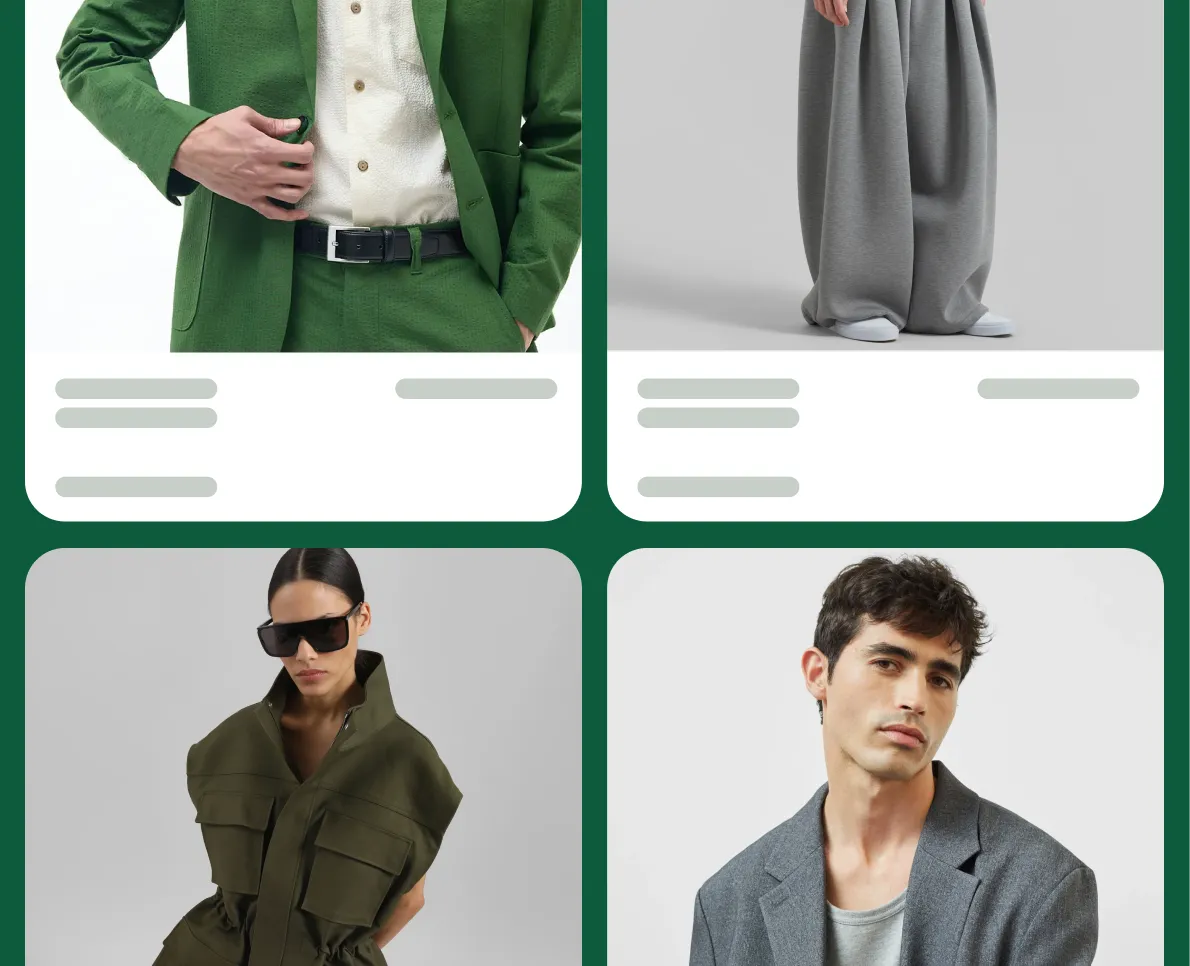
Virtual try on narrows the gap between what customers say they want and what they actually act on. For example, when users try on multiple jacket styles or combinations through the outfit builder, planners gain a more accurate read on trending categories and SKU level movements long before sales data catches up.
Swap’s AI Demand Planning Solutions is built to ingest these signals through its Forecasting Agent and Planning Insights Agent. These models then adjust forecasts based on real time behavioral activity rather than relying solely on retroactive sales numbers. This creates a tighter feedback loop between the agentic storefront and backend planning.
Virtual Try On Guided Preferences that Influence Reorder Logic
Because virtual try on reveals interest before checkout, demand planners can identify potential stock pressure earlier. If a large volume of shoppers are trying on a specific colorway or size, the Reorder Agent can surface earlier alerts and recommend proactive replenishment.
This is especially meaningful for categories with rapid trend cycles or high style differentiation. Instead of waiting for a stockout or a promotional spike, demand planning forecasting becomes more anticipatory and aligned with real behavior as it unfolds.

How Virtual Try On Improves Multi Channel Demand Signals
Virtual try on also enriches omnichannel forecasting. When shoppers consistently test the same SKUs across different contexts and regions, the demand planning system can segment these signals in real time.
Planning insight agents can use these patterns to generate regional or category insights that allow teams to align inventory allocation precisely. This creates a more accurate demand plan without manually stitching together fragmented datasets.
Why this Relationship Matters in an Agentic Commerce World
Agentic commerce shifts shopping from static browsing to dynamic interaction. Inside this new environment, virtual try on becomes a conversation and each interaction fuels the next wave of intelligence in the backend.
This is exactly where Swap Commerce’s infrastructure brings the two sides together. The agentic storefront collects intent data through virtual try on and outfit building while AI Demand Planning transforms those signals into accurate forecasting, reorder recommendations, and actionable insights. The result is a tighter and more responsive connection between what shoppers explore and how businesses prepare